

Parents usually search when babies start taking one nap schedule at the exact moment sleep suddenly becomes messy. A baby who was sleeping perfectly starts refusing the second nap, bedtime moves later, and mornings begin too early. It feels like the routine has broken overnight.
The reality is simpler and more reassuring: nothing is wrong with your parenting and nothing is wrong with your child. This stage is a neurological change, not a behavior problem.
During the second year of life, the brain reorganizes how sleep pressure builds across the day. Instead of needing multiple short recovery periods, toddlers begin to handle longer awake time and prefer one deep restorative sleep in the middle of the day.
In this guide you will understand the real age range, the clear readiness signals, how to transition safely, and how to avoid the most common mistake parents make — switching too early.
Key Takeaways
- Most toddlers transition to one nap between 12 and 18 months
- Readiness signs matter more than exact age
- The shift takes about 2 to 4 weeks
- Midday naps support brain development and mood regulation
- Early bedtime prevents overtiredness during transition
Why Toddlers Eventually Need Only One Nap

In infancy the sleep system is immature. Wakefulness quickly becomes overwhelming, so babies require several naps to reset their nervous system. Each nap acts like a mini battery recharge.
As the brain matures, sleep cycles lengthen and daytime melatonin patterns stabilize. This means the body no longer needs frequent recovery periods. Instead, it prefers a single consolidated rest aligned with the natural afternoon circadian dip.
That is why toddlers often fight the second nap first. The brain is essentially saying it no longer fits the biological schedule. Importantly, this shift is developmental. Parents cannot train it early, and forcing it early often makes sleep worse instead of better.
Typical Age Range For One Nap Transition

Most children transition between 13 and 18 months, with the average around 15 months. However, there is a wide normal range. Some very active early walkers manage it closer to 12 months. Others, especially sensitive sleepers, stay on two naps until almost 2 years old.
Age alone is unreliable because growth spurts around 12 months temporarily disrupt sleep. Many families mistakenly drop a nap during this phase and create weeks of overtiredness.
The correct indicator is consistency of behavior over time, not a birthday milestone.
Signs Your Child Is Ready For A One Nap Schedule

The biggest mistake parents make is reacting to one bad week. Real readiness shows patterns lasting at least 10 to 14 days.
A child who is ready will regularly refuse the second nap while still staying cheerful until bedtime. They can remain awake for four to six hours without becoming overwhelmed. Bedtime also starts drifting later because there is no longer enough sleep pressure.
Morning waking often becomes earlier as well. The body compensates for too much daytime sleep by ending the night sooner. You may also notice one nap naturally stretching longer, sometimes over two hours, while the other becomes shorter or impossible.
When several of these signs appear together and stay consistent, the transition is appropriate.
What A Healthy One Nap Day Looks Like
After the adjustment period most toddlers follow a predictable rhythm. They wake in the early morning, stay active through the morning, sleep once around midday, and then remain awake comfortably until evening.
A common routine begins around 7 AM, nap around noon, and bedtime around 7:30 PM. The exact times vary, but the pattern remains stable: morning wake period, midday sleep, evening wind down.
The reason midday works best is biological. The human circadian rhythm naturally dips in alertness in early afternoon, even in adults. Toddlers simply experience a stronger version of the same rhythm.
How To Transition Without Causing Overtiredness

The safest approach is gradual extension. Move the morning nap later by small increments every few days instead of removing the second nap suddenly.
As the first nap moves toward midday, the second nap naturally shrinks into a short catnap and eventually disappears. During this period bedtime should temporarily move earlier to protect total sleep.
Parents often worry about inconsistency, but mixed days are normal. Some days will still require two naps. Within a few weeks the body settles into the new rhythm. Rushing this process is the main reason families struggle.
Common Mistakes That Make Sleep Worse
Dropping the nap abruptly is the biggest problem. The child becomes overtired, cortisol rises, and night sleep fragments. Parents then assume the child needed less sleep when actually they needed more recovery.
Another mistake is keeping the same bedtime after taking a nap. Without an earlier bedtime, the sleep disorder accumulates quickly.
Many parents also misinterpret developmental regressions as readiness. Around one year of age walking, talking, and separation awareness temporarily disturb sleep but do not signal readiness for one nap.
Understanding this difference prevents weeks of frustration.
The Science Behind Better Night Sleep After The Transition
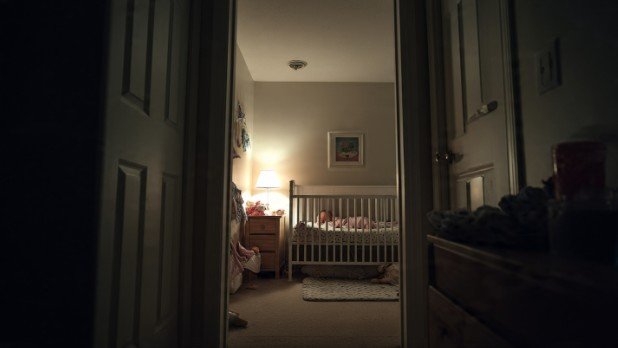
When timed correctly, a single midday nap strengthens night time sleep. Deep slow wave sleep increases and growth hormone release improves.
This stage supports memory processing and emotional self regulation. That is why toddlers who complete the transition often become calmer in the evening and wake less at night.
The goal is not to reduce sleep. The goal is consolidating sleep into more restorative cycles.
How Long The Adjustment Period Lasts
Most toddlers adapt within two to four weeks. Some need longer depending on temperament and activity level.
Progress is rarely linear. Good days and difficult days alternate before stability appears. Consistency and patience matter more than perfection.
Frequently Asked Questions :
1. Can a 12 month old move to one nap?
Usually not. Sleep disruptions at this age are often developmental and temporary.
2. How long should the nap last?
Typically between 1.5 and 3 hours.
3. Which nap disappears first?
The afternoon nap fades as the morning nap shifts toward midday.
4. Is it normal to switch between one and two naps?
Yes, during the adjustment period.
5. Will night time sleep improve?
In most cases yes, once the transition is complete.
A Calm Ending to Sleep Struggles
Understanding when babies start taking one nap schedule removes much of the stress surrounding toddler sleep. The change is a natural developmental milestone driven by brain maturation rather than behavior.
Watching patterns instead of reacting to single rough days allows the transition to happen smoothly. A gradual shift, protected bedtime, and realistic expectations help most families reach stable sleep within a few weeks.
Once complete, nights become longer, evenings calmer, and daily routines easier to predict.