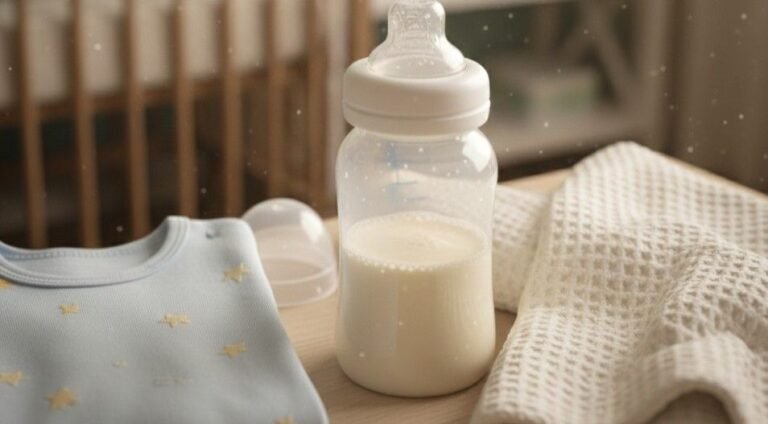

As a new parent, I remember the first time I tried to put a blanket in my baby’s crib. It was a chilly night, and I couldn’t help but think, “Wouldn’t a cozy blanket make them sleep better?” But then, I had to pause. When can babies sleep with a blanket safely? I didn’t want to risk my baby’s safety, so I dove into the research.
It turns out, the answer isn’t as simple as just waiting for the “right time.” There are important safety guidelines and milestones to consider before introducing a blanket into your baby’s sleep routine. I’m sharing what I learned to help you make an informed decision when the time comes.
When Can Babies Sleep with a Blanket?
Experts generally recommend that babies should not sleep with a loose blanket until they are at least 12 months old. This is based on safety guidelines from the American Academy of Pediatrics (AAP), who emphasize the risk of Sudden Infant Death Syndrome (SIDS) and suffocation.
Here’s a breakdown of the safety guidelines by age:
0–12 Months
When making a newborn baby sleep at night –the crib should be entirely bare, containing only a firm mattress and a fitted sheet. Blankets, pillows, and stuffed animals are considered hazards.
12–18 Months
This is generally considered the safest age window to introduce a blanket. Toddlers typically develop the motor skills necessary to move objects away from their face if needed.
18+ Months
Some specialists believe this is the ideal age for blanket use, as children are strong enough to move freely and untangle themselves if necessary.
What to Expect When Introducing a Blanket
Introducing a blanket is a milestone that happens gradually. It’s important to consider your baby’s developmental readiness rather than just waiting for a specific age. Here are key signs that your baby might be ready for a blanket:
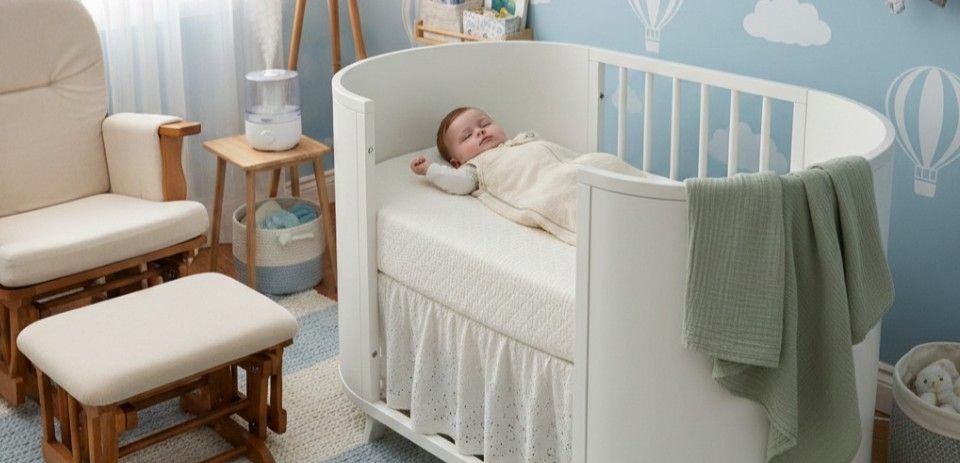
Mobility
Your baby should be able to roll over both ways, sit up, and pull to stand independently. These skills help reduce the risk of suffocation.
Coordination
Look for signs that your baby can push objects away from their face or reposition themselves during sleep.
Comfort
If your baby shows interest in “lovey” items or tries to pull a small cloth over themselves while awake, they may be ready for a blanket.
Remember, it’s not just about hitting a milestone—it’s about making sure your baby can safely interact with their environment during sleep.
Safe Introduction Tips for Blankets
Once your baby has reached 12 months and shows signs of readiness, it’s time to introduce a blanket. However, you should still proceed with caution. Here are some helpful tips to ensure the transition is safe:
Start with Naps
Introduce the blanket during supervised daytime naps first, so you can monitor how your baby handles it. This gives you peace of mind before moving to overnight use.
Choose Wisely
Use a lightweight, breathable fabric like muslin or organic cotton. Avoid heavy quilts, weighted blankets, or anything with loose strings or ribbons, as these can be safety hazards.
Size Matters
Always opt for a small, toddler-sized blanket instead of a full-sized adult blanket. A smaller blanket is easier to manage and less likely to overwhelm your baby.
Safe Alternatives for Babies Under 12 Months
If you’re concerned about your baby being cold before they’re ready for a blanket, there are several safe alternatives that provide warmth without the risk of suffocation.
Wearable Blankets (Sleep Sacks)
These are perfect for babies under 12 months. A sleep sack keeps your baby warm without the risk of loose fabric covering their face. It’s a safe, effective way to keep your baby cozy all night long.
Layering
Another option is to dress your baby in one more layer than you would wear yourself in the same room. This ensures they stay warm without the need for a blanket.
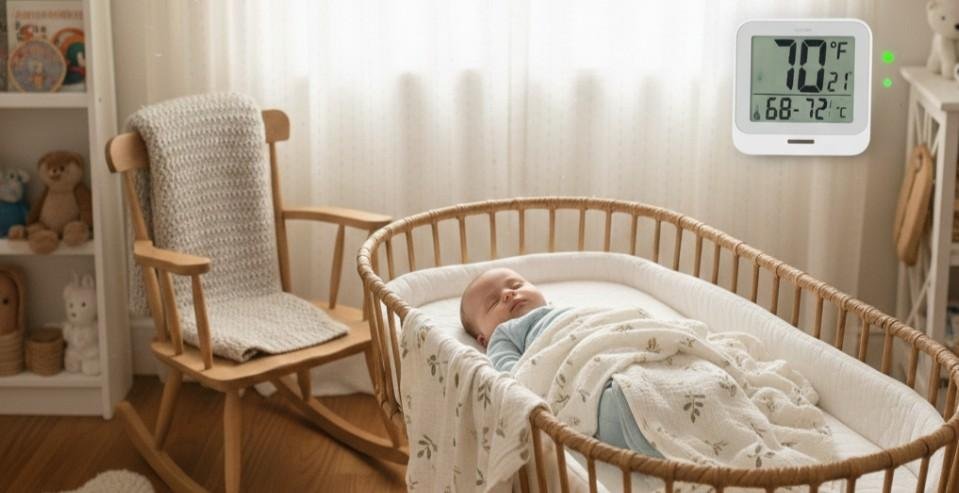
Room Temperature
Maintain a comfortable room temperature between 68°F and 72°F (20°C–22°C). Use a thermometer to monitor the nursery temperature, ensuring your baby stays comfortable and safe.
How to Safely Transition to a Blanket After 12 Months
Once your baby is ready and reaches 12 months, it’s time to introduce a blanket. Here’s a step-by-step guide to ensure a smooth transition:
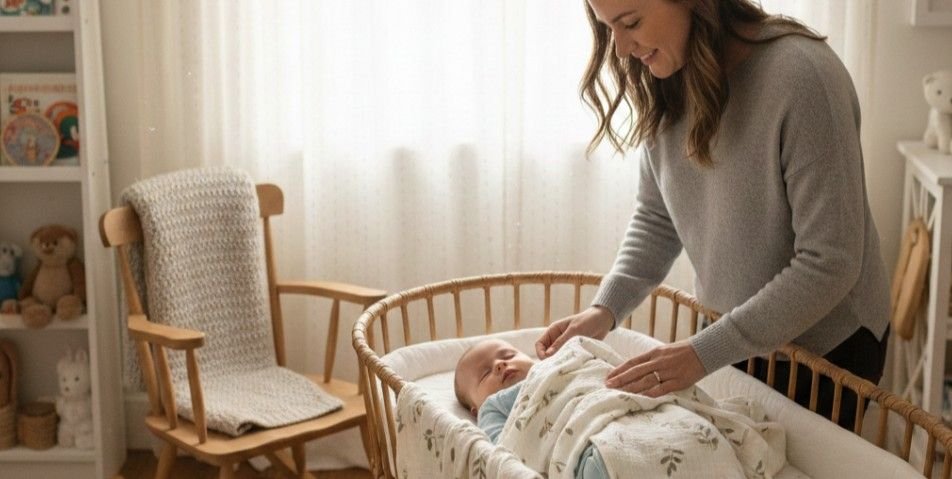
- Start with Daytime Naps: Begin using the blanket during supervised naps, so you can observe your baby’s reaction and make sure they can safely handle it.
- Choose the Right Blanket: Go for a lightweight and breathable blanket. Avoid heavy, thick blankets, as these can cause overheating. Cotton or muslin is ideal.
- Ensure Proper Room Temperature: Keep the nursery at a comfortable temperature. If your baby is too warm, they may feel uncomfortable, and if they’re too cold, they won’t be able to sleep well.
- Monitor for Safety: After introducing the blanket, check on your baby regularly to ensure they are not tangled or too hot. You can gradually move towards using a blanket for overnight sleep once you feel confident in their ability to safely manage it.
Frequently Asked Questions (FAQs)
1. Can a 6-month-old sleep with a blanket?
No, it’s not recommended for babies under 12 months to sleep with a blanket. Loose blankets can pose a suffocation risk, especially for younger babies who cannot move them away from their face. Until your baby reaches 12 months, use alternatives like sleep sacks or wearable blankets to keep them warm.
2. How do I know if my baby is ready for a blanket?
Your baby should be able to roll over, sit up, and push objects away from their face. These developmental milestones help ensure that your baby can safely handle a blanket without the risk of suffocation or discomfort.
3. Can my baby sleep with a blanket after they turn 1?
Yes, once your baby reaches 12 months, you can safely introduce a lightweight blanket. Make sure to start with naps first, and choose a breathable, small blanket to reduce the risk of overheating or suffocation.
4. What are the safest types of blankets for babies over 12 months?
Choose a lightweight, breathable material such as cotton or muslin. Avoid heavy quilts, comforters, or anything with loose parts that could pose a choking or suffocation hazard.
The Key to Safe and Cozy Sleep
While the idea of wrapping your baby in a soft blanket is tempting, safety always comes first. By waiting until your baby is at least 12 months old and following the right guidelines, you can introduce a blanket safely. And don’t forget about alternatives like sleep sacks and wearable blankets, which keep your baby comfortable until they’re ready for a blanket.
Patience is key, and when the time comes, you’ll know your baby is ready for that cozy bedtime moment. So take it one step at a time, keep safety in mind, and enjoy those sweet, peaceful sleep moments!