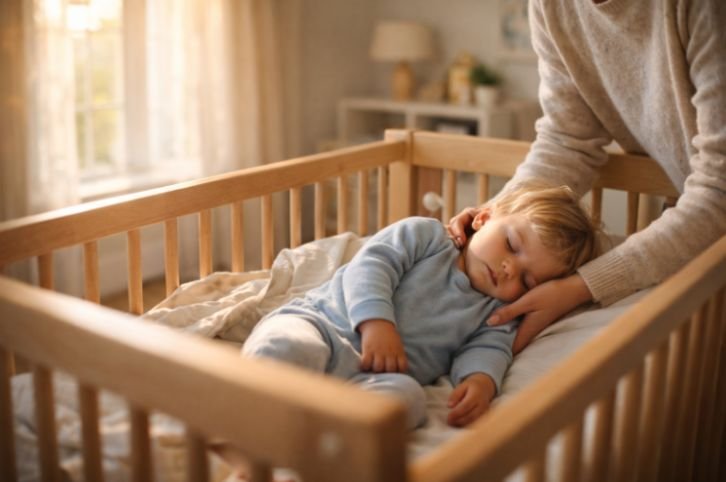

When my baby was born, I remember feeling a mix of excitement and anxiety. The thought of making sure he was safe while he slept kept me up at night more than once. That’s when I realized the importance of following safe baby sleep guidelines for newborns.
I wasn’t just sleep-deprived—I’m talking about the overwhelming responsibility of making sure my newborn was safe and sound while he slept. If you’re a new parent, I totally get it, and I want to share some of the things that helped me along the way. These tips not only helped me create a safe sleep environment but also gave me peace of mind.
Why Safe Sleep Is Non-Negotiable
Before I even thought about the perfect sleep routine, I had to remind myself of the basics. The sad reality is that Sudden Infant Death Syndrome (SIDS) is a risk for babies under 1 year old, and it’s something we can do our best to prevent by ensuring they sleep safely.
The guidelines, often referred to as the ABCDs of safe sleep, were a game-changer for me. These guidelines are proven to reduce the risk of SIDS and other sleep-related accidents.
What Are the ABCDs of Safe Sleep?
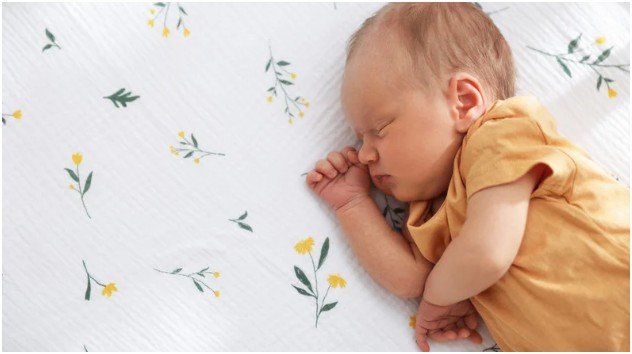
I remember feeling overwhelmed when I first read the safety guidelines,pre but breaking them down into the ABCDs of safe sleep helped simplify things for me. Here’s how I applied them:
- A is for Alone:
The first time I heard this, I was concerned. My instinct was to keep my baby close, but it turns out that babies should sleep alone in a crib, bassinet, or play yard. I learned that co-sleeping can increase the risk of suffocation. So, I made sure my baby had his own sleep space, safely away from pillows and blankets. It wasn’t always easy, but it gave me peace of mind knowing I was reducing any risk. - B is for Back:
This one is easy to remember! Always place your baby on their back to sleep. It’s a simple step that lowers the risk of SIDS. I didn’t need to worry if my baby rolled over on his own later; I just made sure to put him down on his back every time. - C is for Crib:
When it comes to safe sleep for newborns, the crib should be your go-to place. I learned that the crib should be firm and free from any soft toys, pillows, or blankets that could block my baby’s airway. I chose a fitted sheet that was snug and breathable to avoid any suffocation risks. - D is for Don’t Smoke:
Smoking is a major risk factor for SIDS. I made sure that everyone around my baby kept their distance from smoking. Keeping the air clean and free from toxins was crucial for his well-being.
How Do You Create the Ideal Sleep Space?

Creating a safe sleep environment for premature babies or your newborn is all about comfort and safety, and this is where I got to be creative while sticking to the guidelines. The best part? You don’t need an expensive setup to get it right.
Room Sharing: A Simple Way to Reduce Risk
When I first brought my baby home, I shared a room with him, but not a bed. This is one of the most recommended practices. Room-sharing for the first 6 months, as suggested by pediatricians, can reduce the risk of SIDS by up to 50%. It was a relief to know that I could still keep a close eye on him without risking the dangers of co-sleeping. A bassinet right next to my bed became our solution, allowing me to nurse in the night without getting up.
Temperature Control: Keep It Cozy, Not Too Warm
I made sure to keep his room at a comfortable temperature—just between 68–72°F (20–22°C). Babies can’t regulate their body temperature like adults, so I made sure he wasn’t too hot or cold. I opted for a wearable blanket (aka sleep sack) instead of a loose blanket by knowing whether babies can sleep with blankets. This kept him warm without the worry of him getting tangled up or overheated.
The Perfect Mattress
I chose a firm mattress that fit perfectly in the crib. Too soft and the risk of suffocation goes up, but a firm mattress keeps your baby safe and sound. No fluffy blankets, no stuffed animals—just a simple sheet to make sure he was sleeping on a safe surface.
What Are the Signs Your Baby Is Ready to Roll? (And When to Stop Swaddling)

Swaddling was a must for us in the early days, but as soon as I saw signs that my baby was trying to roll, I knew it was time to make changes. The risk of him getting stuck face-down while swaddled was a genuine concern. So, I transitioned to a wearable blanket once he showed signs of rolling. Here’s what I watched for:
- Physical Signs During Floor Time: If he was rocking back and forth, pushing up during tummy time, or grabbing his feet, I knew he was gaining strength and becoming mobile.
- Behavioral Signs in the Swaddle: If my baby was escaping his swaddle or getting frustrated with being wrapped, I knew it was time for a change. Once he started breaking free, I transitioned to using a sleep sack.
How to Transition Safely From Swaddling
Here’s how I transitioned safely from swaddling to a sleep sack:
- Start with One Arm Out: I first let one arm out of the swaddle, giving him a chance to adjust.
- Move to Both Arms Out: Once he seemed comfortable, I moved to a sleep sack with both arms out.
- Fully Transition to Sleep Sacks: Eventually, I completely ditched the swaddle and used sleep sacks with armholes to let him safely practice rolling and repositioning himself.
Frequently Asked Questions (FAQs)
1. Is it safe to co-sleep with my baby?
While many parents feel the desire to keep their baby close at night, the American Academy of Pediatrics (AAP) advises against bed-sharing due to the increased risk of suffocation. Room-sharing (but not bed-sharing) is the safest option.
2. When can I start using a blanket in my baby’s crib?
It’s safest to avoid blankets until your baby is at least 12 months old. Before that, use wearable blankets or sleep sacks to keep them warm without the risk of suffocation.
3. How do I know if my baby is too hot or too cold at night?
Look for signs like sweating, damp hair, or flushed cheeks if your baby is too hot. If their hands or feet feel cold but the rest of their body is warm, they may need an extra layer.
Safe Baby Sleep: My Final Thought
Keeping your baby safe while they sleep doesn’t have to be complicated. By following the safe baby sleep guidelines for newborns, like the ABCDs, and using a firm mattress and proper room-sharing setup, you’ll be well on your way to ensuring your baby has a restful and secure sleep.
And hey, don’t forget to trust your instincts along the way! As a mom, you’ll figure out what works best for both you and your little one. Sleep tight, and know that you’ve got this!
Key Takeaways:
- Always follow the ABCDs of safe sleep to reduce the risk of SIDS.
- Room-sharing is recommended for the first 6 months.
- Keep your baby’s sleep space clear of soft items to prevent suffocation.
- Transition from swaddling when your baby shows signs of rolling.