As a parent, there’s nothing more important than your baby’s health. I remember the overwhelming feeling I had when I first learned about Respiratory Syncytial Virus (RSV)—a virus that can be deadly for babies, especially in their first year of life. Fortunately, we now have an RSV vaccine for babies that provides vital protection.
Whether you’re a new parent or simply looking to understand this vaccine better, this blog will cover everything you need to know about protecting your baby from RSV.
What Is the RSV Vaccine for Babies, and Why Is It Important?
RSV is a respiratory virus that can lead to severe infections, especially in infants. The most vulnerable are babies under 6 months old, as their immune systems are still developing. The RSV vaccine for babies is crucial because it helps prevent severe RSV infections, which can lead to hospitalization or even life-threatening complications.
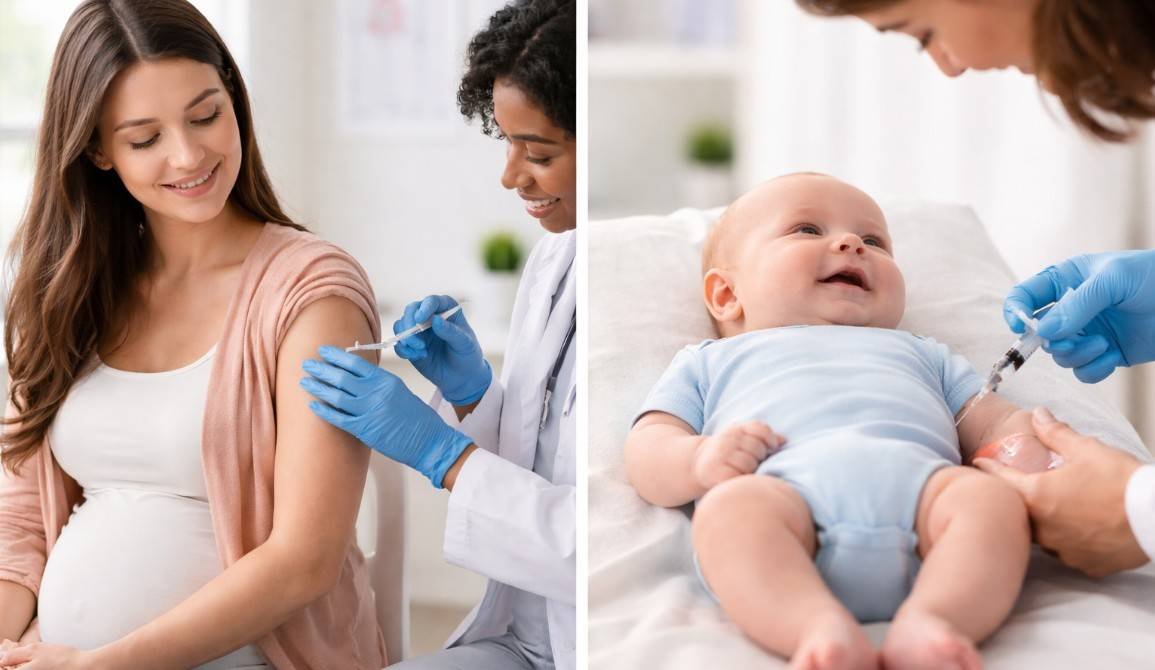
The vaccine comes in two main forms: maternal vaccination (given during pregnancy) and infant immunization (given to babies after birth). Both options provide protective antibodies that guard against the virus.
But why is this necessary? The RSV vaccine reduces the risks of severe infections, ensuring your little one is protected, especially during RSV season (typically from fall through spring).
How Does the RSV Vaccine for Babies Work?
The RSV vaccine works by providing your baby’s body with protective antibodies. This can be done either through maternal vaccination, which passes antibodies from the mother to the baby during pregnancy.
Or through infant immunization, which directly injects protective antibodies into the baby after birth. The timing and type of vaccine depend on factors like the baby’s age, the mother’s vaccination status, and their health risks.
While traditional vaccines stimulate the body to create its own antibodies, the RSV vaccine for babies provides immediate protection through “passive immunity.” This gives babies a head start in combating the virus, especially during RSV season.
When Should Babies Receive the RSV Vaccine?
The timing for the RSV vaccine depends on the type chosen. Here’s a breakdown:
Maternal Vaccination
Expectant parents can receive the Abrysvo vaccine during pregnancy, ideally between 32 and 36 weeks. This vaccine triggers the mother’s immune system to create antibodies that pass through the placenta to protect the baby.
This protection typically lasts for about the first 6 months of the baby’s life. The vaccine is usually given during RSV season, which aligns with the fall and winter months.
Infant Immunization
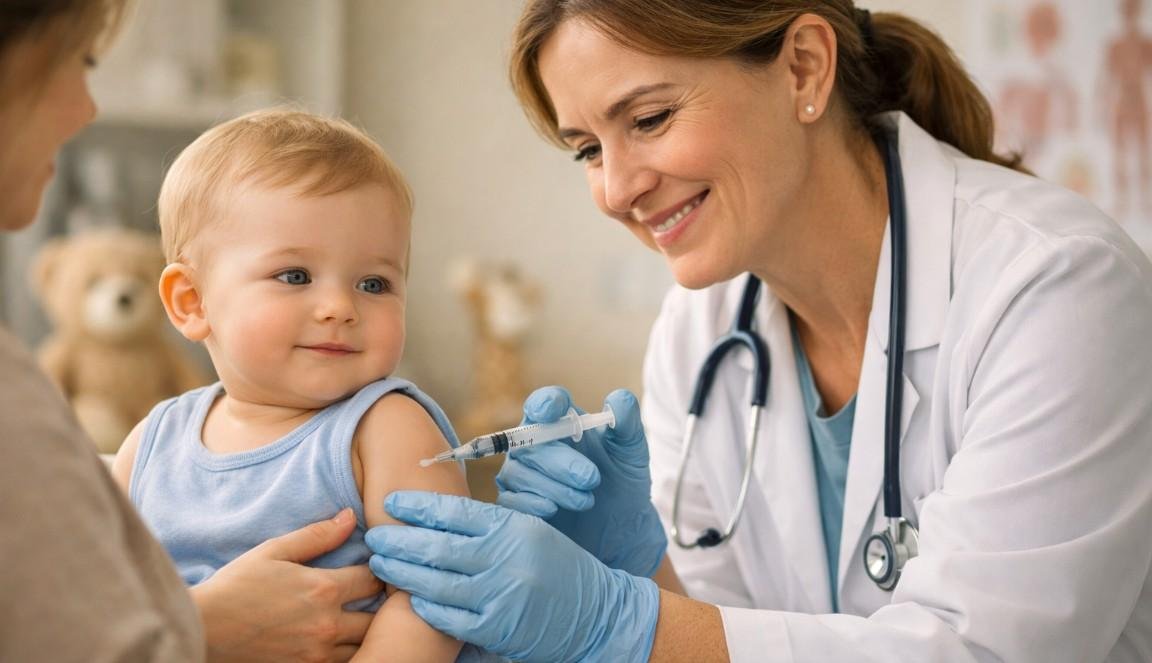
If the mother did not receive the vaccine during pregnancy, babies can receive a direct injection of antibodies, such as Nirsevimab (Beyfortus) or Clesrovimab (Enflonsia). This vaccine is given to babies under 8 months old who are entering their first RSV season.
Ideally, this injection should be administered within one week of birth if the baby is born during RSV season or just before the season starts. It provides immediate protection that lasts for at least 5 months.
How to Ensure Your Baby Gets the RSV Vaccine Safely
Ensuring that your baby gets the RSV vaccine at the right time is crucial. Here’s how to do it:

1. Talk to Your Pediatrician
The first step is to discuss the RSV vaccine with your pediatrician. They’ll help determine if your baby is eligible for the vaccine and advise on the right timing based on whether the mother received the vaccine during pregnancy.
2. Ensure Proper Timing
For mothers, getting the Abrysvo vaccine between 32 and 36 weeks of pregnancy is ideal. For infants, the Nirsevimab (Beyfortus) shot should be administered before the RSV season starts or within one week of birth.
3. Understand the Need for the Vaccine

If the mother received the vaccine during pregnancy, the baby may still need the Nirsevimab shot if they were born less than 14 days after the mother’s vaccination, or if the mother has certain immune conditions. Discuss these scenarios with your doctor.
4. Keep Track of the RSV Season
RSV season typically runs from October through March, so it’s important to plan the vaccination around this period to ensure maximum protection.
Frequently Asked Questions
1. Is the RSV vaccine safe for my baby?
Yes, the RSV vaccine is generally safe for most babies, particularly those who fall under the recommended age and health guidelines. Like all vaccines, it has undergone rigorous testing and approval from health authorities like the FDA. If you have any concerns, it’s always best to consult your pediatrician.
2. How long does the RSV vaccine last?
The protection provided by maternal vaccination lasts approximately 6 months. If your baby receives Nirsevimab (Beyfortus) after birth, it typically provides protection for at least 5 months. In some cases, high-risk children might need a second dose of Nirsevimab before their second RSV season.
3. What are the side effects of the RSV vaccine for babies?
The RSV vaccine typically causes mild side effects, such as swelling or redness at the injection site or a low fever. Serious side effects are rare. If you notice any unusual reactions, contact your pediatrician immediately.
4. Can my baby still get RSV if they receive the vaccine?
While the RSV vaccine significantly reduces the risk of severe RSV infections, it is still possible for babies to contract RSV. However, the vaccine helps reduce the severity of the infection and lowers the chances of hospitalization.
Why the RSV Vaccine for Babies Is Worth It
In the grand scheme of things, the RSV vaccine for babies is a simple but powerful tool to protect your little one from a potentially serious virus. The vaccine offers peace of mind, knowing that your baby is shielded from the worst effects of RSV during its first few months of life.
As parents, we are constantly learning and adapting to new information. By staying informed about the RSV vaccine and following your pediatrician’s advice, you’re taking an important step to safeguard your baby’s health.
Protecting your baby from RSV? It’s as important as securing that baby-proofed home—essential for their well-being.