

Losing weight is a life‑changing achievement. It brings improved health, higher energy levels, and increased confidence. But as many people who have lost significant weight know, there’s often one challenge that remains: loose, sagging skin. While it can be frustrating, the good news is that restoring skin elasticity after weight loss is possible — and you don’t have to undergo surgery to achieve it.
In this post, I’ll guide you through practical, everyday strategies to help you regain skin firmness and elasticity. I’ve learned that with the right combination of nutrition, exercise, skincare, and, when needed, medical treatments, you can feel confident in your skin again.
Why Does Skin Lose Its Elasticity After Weight Loss?
When you gain weight, your skin stretches to accommodate the extra fat. After weight loss, especially large amounts, your skin can have trouble shrinking back to its original form. This is because of collagen and elastin, the proteins that allow the skin to stretch and bounce back. As we age, the production of these proteins decreases, making it harder for the skin to regain its firmness.
The degree of loose skin can vary based on several factors:
- How much weight you lost: The more weight you lose, the more your skin may struggle to return to its previous state.
- Your age: As you get older, your skin’s ability to bounce back decreases.
- Genetics: Some people naturally have more resilient skin.
- Duration of being overweight: Long periods of being overweight can lead to more stretched skin.
But don’t worry — there are effective ways to restore skin elasticity naturally, and they’re simpler than you might think.
Natural Strategies to Restore Skin Elasticity After Weight Loss

1. Strength Training to Build Muscle and Improve Firmness
One of the most powerful methods for restoring skin elasticity is strength training. As you lose fat, your muscles can help fill the space left behind, giving your skin a firmer appearance. Strength training also boosts collagen production and improves circulation, which is essential for healthy, youthful skin.
What I’ve learned: Consistency is key. Start with basic exercises and gradually add weights or resistance as you get stronger.
Effective exercises to target skin-tightening:
- Squats and lunges for the lower body.
- Push-ups and rows for your upper body.
- Planks and deadlifts for core strength.
By increasing lean muscle mass, you’re also improving your overall metabolism, which helps your skin stay firm and toned. This approach also benefits blood flow, helping deliver nutrients to the skin.
2. Gradual Weight Loss — Give Your Skin Time to Adapt
One of the best ways to ensure your skin adapts well to weight loss is to lose weight gradually. Rapid weight loss doesn’t give your skin enough time to adjust and can lead to more noticeable loose skin.
Aim for 1–2 pounds per week. This allows your skin to shrink naturally with the loss of fat, rather than being stretched out too quickly.
Pro Tip: Consistent, moderate weight loss also helps your body maintain muscle mass, which is essential for keeping your skin lifted and firm.
3. Hydration — Keep Your Skin Plump and Resilient
Hydration plays a crucial role in maintaining skin elasticity. Proper hydration helps the skin stay moisturized, which can make it look plumper and less saggy. I’ve found that staying hydrated also keeps my skin from looking dull and dry, which is a common issue after weight loss.
What you can do:
- Drink at least 8 cups of water daily.
- Hydrate with foods like watermelon, cucumbers, and oranges. These are not only hydrating but also packed with nutrients that promote healthy skin.
Hydration tip: If you’re working out a lot or sweating more than usual, aim for more water to replenish lost fluids.
4. Massage and Dry Brushing — Improve Circulation and Stimulate Collagen
Another great method for boosting skin elasticity is massaging the skin or dry brushing. These techniques stimulate circulation, helping to deliver oxygen and nutrients to the skin cells, which encourages the production of collagen and elastin.
I’ve found dry brushing to be a simple yet effective daily ritual. Just a few minutes before showering can make a noticeable difference in skin tone and texture over time.
Benefits of Dry Brushing:
- Boosts blood circulation to the skin.
- Promotes lymphatic drainage and detoxification.
- Exfoliates dead skin cells, making your skin feel softer and smoother.
Nutritional Support to Improve Skin Elasticity
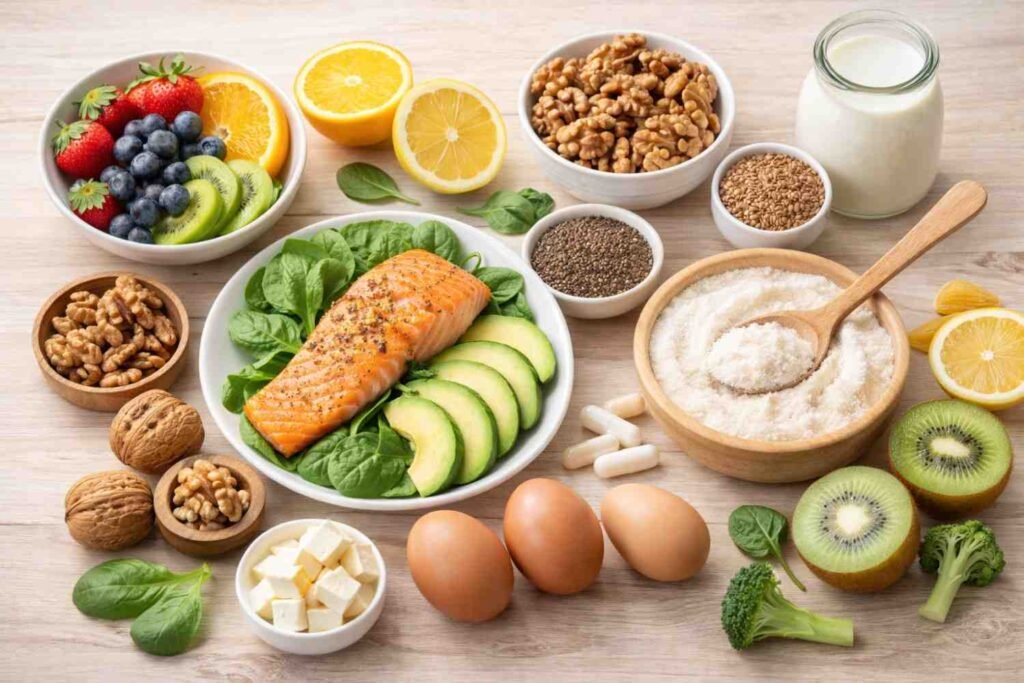
What you put in your body is just as important as what you apply to your skin. Proper nutrition can dramatically improve your skin’s elasticity after weight loss. Here are some of the best nutrients for skin health:
1. Protein — Essential for Collagen and Elastin Repair
Protein is a building block for collagen and elastin. These proteins give your skin structure and firmness, which is why it’s important to get enough protein in your diet.
What to eat:
- Chicken, turkey, eggs, and tofu are all excellent sources of protein.
- Aim for 20–30 grams of protein per meal to support collagen synthesis.
2. Vitamins and Minerals — Boost Collagen Production
Certain vitamins and minerals play a huge role in skin health, particularly in collagen synthesis:
- Vitamin C: Vital for collagen production. Include citrus fruits, strawberries, and bell peppers in your diet.
- Zinc and Copper: Both are essential for collagen and elastin production. Try incorporating nuts, seeds, and beans into your meals.
- Omega-3 Fatty Acids: Found in salmon, walnuts, and flaxseeds, Omega-3s help keep your skin’s lipid barrier intact and promote elasticity.
3. Collagen Supplements — Help Your Skin Bounce Back Faster
I’ve seen great results with collagen supplements. These hydrolyzed peptides are broken down for better absorption, helping improve skin hydration, elasticity, and strength. Consuming collagen daily for 90 days can significantly improve the skin’s firmness.
Professional Treatments for Stubborn Loose Skin
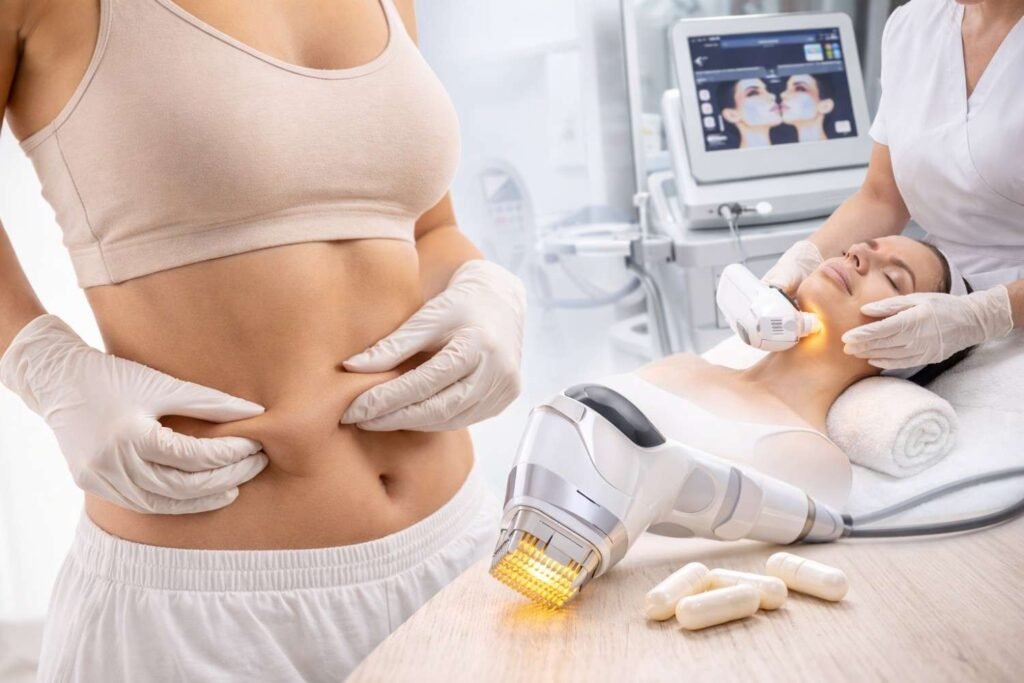
Sometimes, lifestyle and nutritional changes aren’t enough to completely restore skin elasticity, especially after losing a large amount of weight. If you’re looking for faster results, consider non‑surgical or surgical options.
Non‑Surgical Skin Tightening
- Radiofrequency (RF) Therapy: Stimulates collagen production deep within the skin using heat (e.g., Thermage).
- Ultrasound Therapy: Uses focused energy to lift and firm the skin (e.g., Ultherapy).
- Microneedling with Radiofrequency: Combines tiny needle punctures with radiofrequency energy to tighten the skin.
These treatments can enhance your skin’s elasticity and are usually performed in a series for optimal results.
Surgical Options — For Significant Skin Laxity
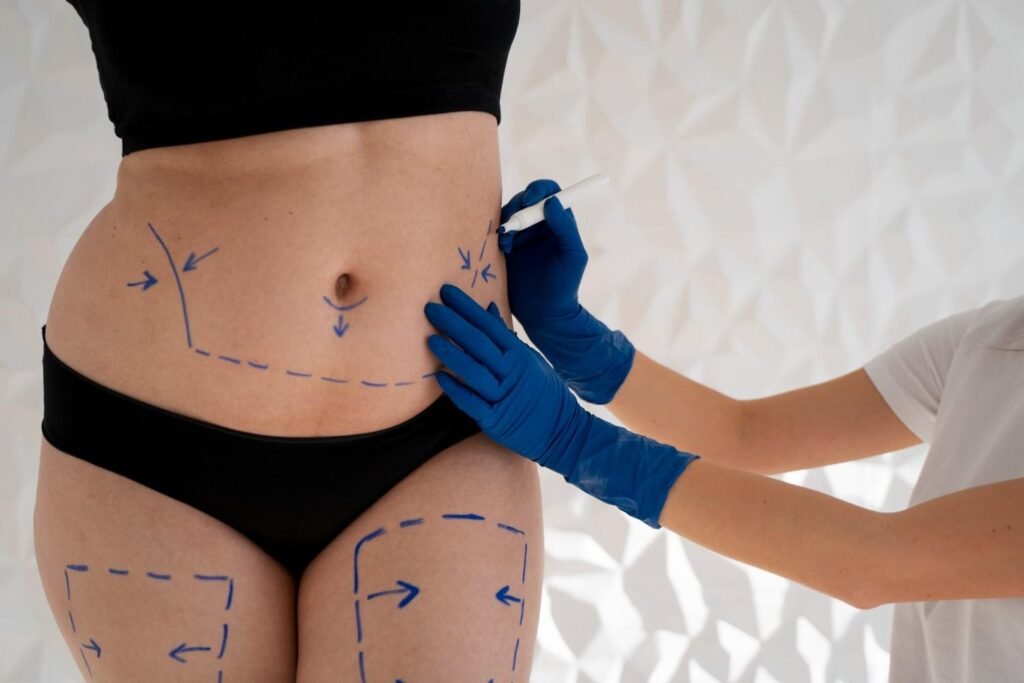
For more severe cases, particularly after significant weight loss (50+ lbs), surgical procedures may be necessary:
- Tummy Tuck (Abdominoplasty): Removes excess skin from the abdomen.
- Body Lift: Tightens sagging skin in multiple areas, including the thighs, hips, and buttocks.
- Arm Lift (Brachioplasty): Removes excess skin from the upper arms.
Consult with a board‑certified plastic surgeon to discuss your options.
Frequently Asked Questions (FAQs)
1. Can skin elasticity fully return after weight loss?
It depends on factors like age, genetics, and how much weight you’ve lost. For many, gradual skin tightening is achievable through lifestyle changes, exercise, and nutrition. Severe skin laxity may require professional treatments.
2. How long does it take to see improvement?
Visible changes from natural methods typically take 3 to 6 months. However, professional treatments can offer quicker results. Consistency is key, and over time, you’ll notice smoother, firmer skin.
3. Are creams alone enough to tighten loose skin?
Topical creams and oils (e.g., retinoids, hyaluronic acid) help improve the appearance of skin texture but may not fully address loose skin. Combining these products with exercise, hydration, and proper nutrition is necessary for better results.
Final Thoughts — Embrace Your New Skin with Confidence
Restoring skin elasticity after weight loss is a combination of patience, consistency, and smart strategies. By focusing on strength training, proper nutrition, and skin care, you can significantly improve skin firmness and feel even more confident in your body. While some loose skin may remain, embracing your progress and your body’s journey is the most empowering step you can take.
Remember, every step you take to improve your skin’s elasticity is a victory. Stay committed to these practices, and soon, you’ll see and feel the difference.