
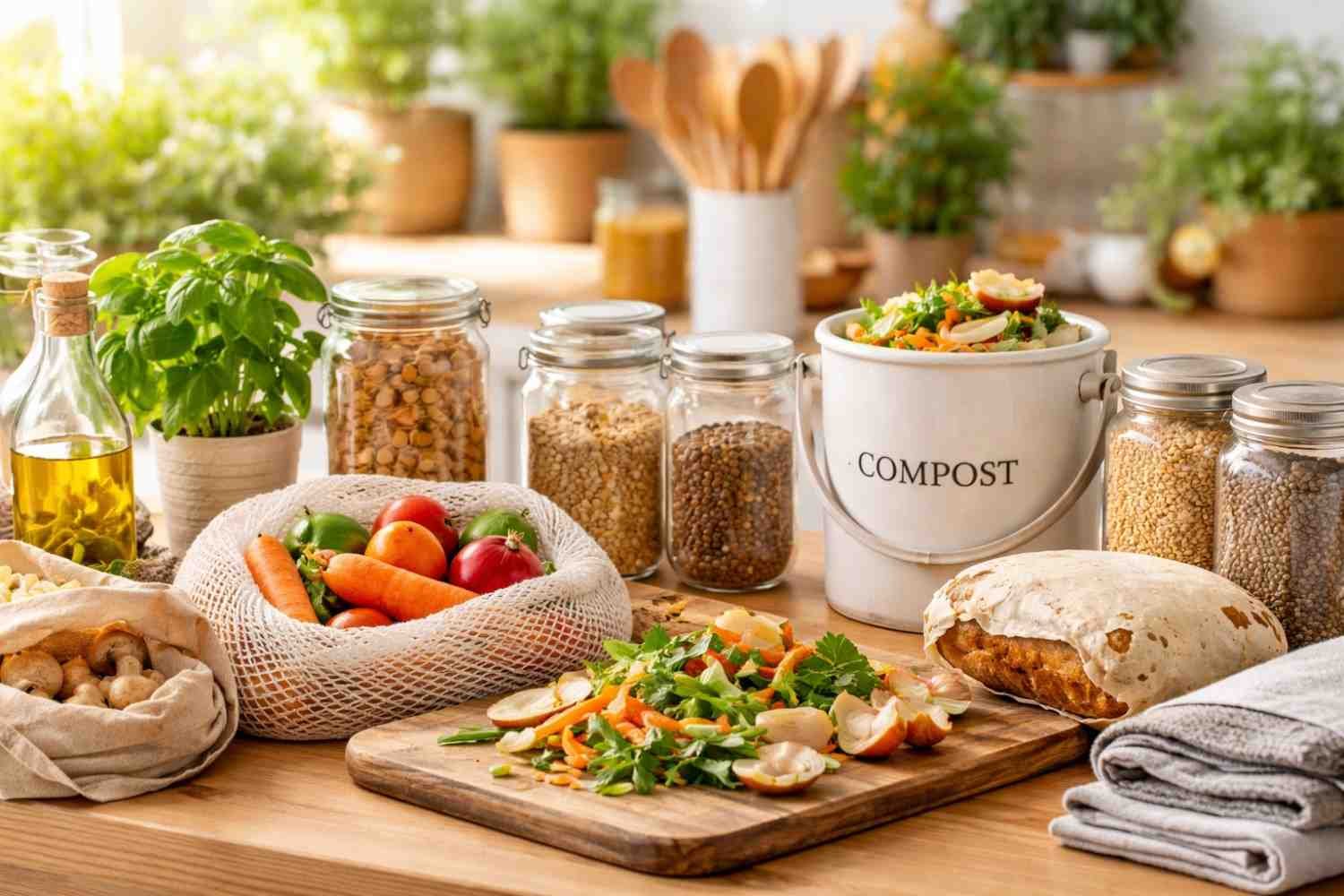
Reducing kitchen waste isn’t just a trendy lifestyle move — it’s one of the most impactful things you can do for your family’s health, your wallet, and the environment. In the U.S. alone, up to 40% of food produced goes uneaten and ends up in landfills, costing families between $1,350–$2,275 annually in wasted groceries. So what if I told you you could shrink that waste and your grocery bill — without spending extra on fancy tools or products?
Creating a zero‑waste kitchen on a budget is not about perfection — it’s about thoughtful habits, resourcefulness, and simple swaps that add up to big savings and a sustainable lifestyle you can maintain. Let’s break it down.
What Zero‑Waste Cooking and Kitchen Really Means

Before we jump into tips, let’s clarify what zero‑waste is:
Zero‑waste cooking means using every part of the ingredients you buy, minimizing food scraps, and thoughtfully reducing packaging waste. It’s not about having no waste at all — rather, it’s about dramatically reducing landfill trash from your kitchen.
This mindset helps you:
- Reduce food waste
- Stretch your grocery budget
- Eat more consciously
- Limit single‑use plastics and disposable packaging
Why a Zero‑Waste Kitchen Matters (Especially on a Budget)
You might think zero waste is only for sustainable influencers, but nothing could be further from the truth. There’s a big overlap between zero waste and budget‑friendly cooking:
- Meal planning prevents impulse buys that go bad.
- Using every part of your food saves dollars you’d otherwise throw away.
- Bulk shopping lessens packaging waste and lowers unit cost.
It’s smarter money management, disguised as sustainability — which is exactly why households on a budget should care.
How to Create a Zero‑Waste Kitchen (Step‑by‑Step)
1. Start with a Waste Audit
Take one week to track what you throw away — food scraps, packaging, expired items. Awareness helps you make smarter decisions. Prioritize swapping plastic‑wrapped items for loose produce or bulk alternatives.
2. Plan Meals Before You Shop
This is the #1 money‑saving habit:
- Check your fridge and pantry before buying anything new.
- Build your shopping list around meals that use up what you already have.
- Use a “use‑it‑first” shelf to earmark foods nearing expiry.
Meal planning prevents waste before it happens — and prevents unnecessary purchases.
3. Shop Smart: Bulk, Loose Produce & Reusables
Buying in bulk lets you skip packaging and buy only what you need. Bring your own jars or bags to refill grains, beans, spices, and nuts. If bulk isn’t available, choose larger packages to reduce per‑unit cost and packaging waste.
Reusable cloth bags and containers pay for themselves over time.
4. Embrace Imperfect Produce
Ugly fruits and veggies often sell cheaper, taste just as good, and reduce waste at the farm level. Many grocers now have discounted imperfect produce sections — grab those deals!
Nothing wrong with wrinkly carrots — they make excellent stocks and soups.
5. Use Every Part of Your Ingredients
This is the heart of zero‑waste cooking:
- Vegetable tops and stems → turn into pestos or broth.
- Stale bread → breadcrumbs or stuffing.
- Citrus peels → flavor your water or zest into salad dressings.
- Chicken bones → homemade stock.
This mindset — buying with purpose and using it all — instantly reduces waste and stretches every dollar.
6. Freeze Smart to Extend Freshness
Don’t toss produce because you can’t cook it in time. Freeze:
- Herbs in oil or butter cubes
- Fruit for smoothies
- Cooked grains for meal bases
Freezing locks in nutrients and value.
7. Start Composting (Even on a Budget)
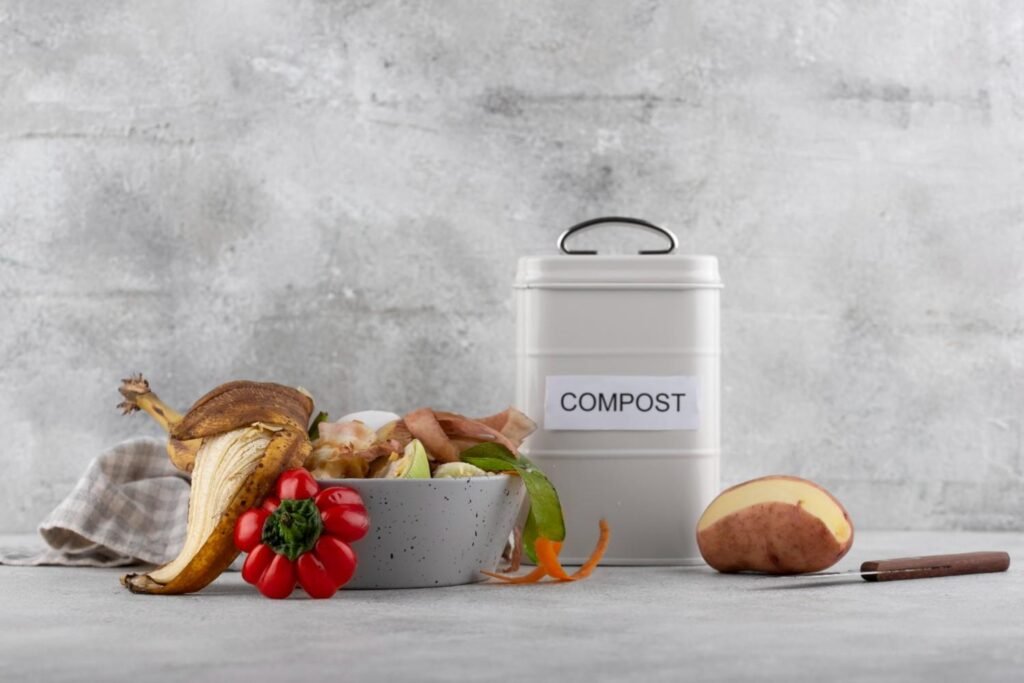
Composting keeps organic waste out of landfills and creates nutrient‑rich soil if you have a garden. If outdoor space is limited, use a small indoor compost bin or join a local compost program.
Composting isn’t just ecological — it teaches you how to value natural resources.
Budget‑Friendly Zero‑Waste Tools That Are Worth It
You don’t need pricey gadgets to reduce waste, but these tools pay big dividends:
- Glass jars for storage and reusable bulk shopping
- Beeswax wraps instead of single‑use plastic
- Mesh produce bags
- A simple compost bin
Most of these items pay for themselves through reduced plastic usage and healthier food storage.
Zero‑Waste Recipes to Inspire You

Here are ideas that make use of leftovers and scraps (saving waste and money):
- Fridge‑raid fried rice with leftover veggies.
- Vegetable stock from peels and stems.
- Bread pudding from stale bread.
These easy meals minimize waste while maximizing flavor.
Frequently Asked Questions (FAQs)
1. Is zero‑waste cooking expensive to start?
Absolutely not. In fact, it saves money through smarter shopping, meal planning, and using all your food before it spoils.
2. Can a beginner do zero‑waste on a tight budget?
Yes! Start with small habits like saving veggie scraps for broth and shopping your pantry before buying new groceries — nothing fancy needed.
3. How does this help the environment?
Reducing food waste lowers greenhouse gas emissions and prevents agricultural products from ending up in landfills where they generate methane — a potent climate gas.
Final Thoughts
Creating a zero‑waste kitchen on a budget isn’t a lofty ideal — it’s a smart, satisfying, and practical way to cook. With focus, creativity, and a few new habits, you’ll waste less, eat better, and spend less at the grocery store. This isn’t about being perfect — it’s about being intentional, mindful, and resourceful.
Once you start seeing every peel, stem, and leftover meal as an opportunity — not trash — you’ll unlock a kitchen that’s not just zero waste, but zero regret.