
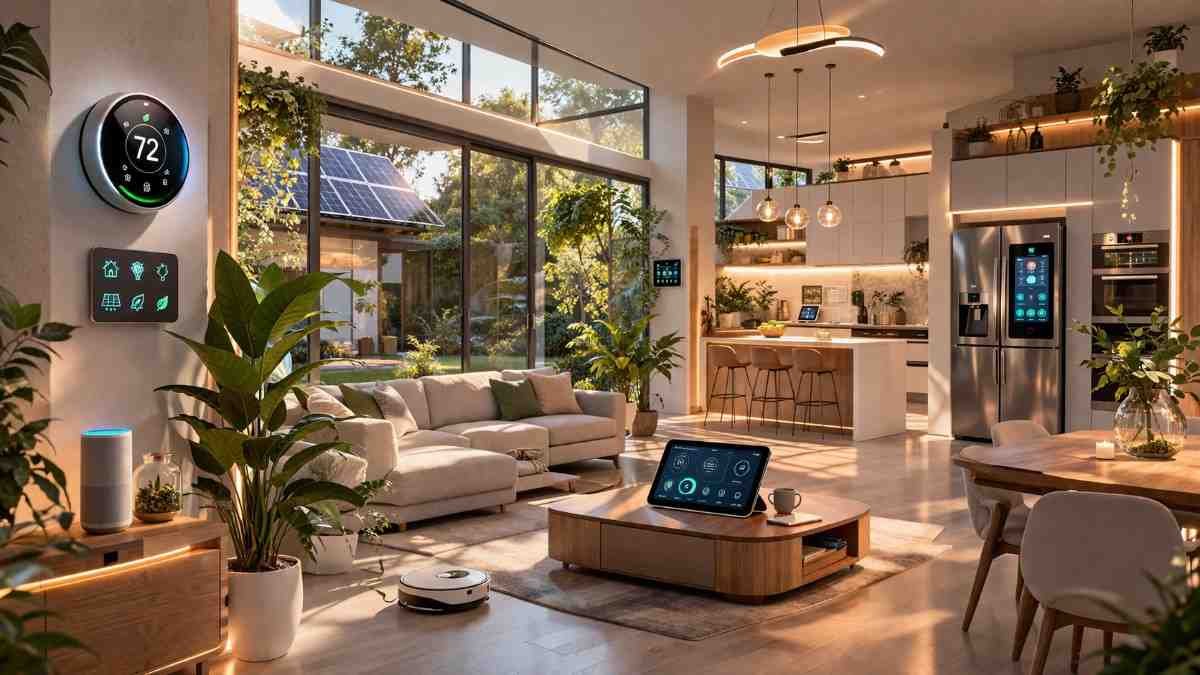
The moment sustainability started influencing everyday choices, it became clear that green technology innovations are no longer distant ideas. They are actively shaping how homes run, how cities grow, and how energy is consumed. From smarter buildings to cleaner fuels, these advancements are becoming part of daily routines in ways that feel both practical and necessary.
What Green Technology Innovations Really Means
Understanding the foundation helps you see how these technologies fit into real life.
Definition And Purpose
Green technology refers to the use of science and innovation to create solutions that protect the environment and conserve natural resources. It focuses on reducing pollution, improving efficiency, and creating systems that work with nature instead of against it.
The real shift is not just environmental. These technologies are designed to improve how systems operate, making them more cost-effective, reliable, and sustainable over time.
Why Growth Is Accelerating
The rapid growth of green tech in 2026 is driven by increasing demand for climate solutions and strong global investment. Governments and private sectors are pushing innovation to meet energy challenges and reduce carbon emissions.
This surge is also fueled by consumer awareness. People now expect smarter, cleaner solutions that reduce both environmental impact and long-term costs.
Key Green Technology Innovations In 2026
These innovations are solving real-world problems beyond traditional solar and wind systems.
Low Carbon Construction And Smart Buildings
Modern construction is shifting toward sustainable materials like carbon-negative concrete, bamboo, and recycled steel. These materials not only reduce emissions but also improve durability and efficiency.
Smart buildings take this further by integrating AI and IoT systems. These technologies automatically adjust lighting, temperature, and security based on real-time usage, which can significantly reduce operating costs while improving comfort.
Long Duration Energy Storage Systems
Energy storage has become a critical component of renewable energy success. New systems like iron-air batteries can deliver power for over 100 hours, solving the problem of intermittent energy supply.
Other methods such as molten salt storage and gravity-based systems are also gaining traction. These innovations ensure a steady energy supply even when solar or wind production is low.
Carbon Capture Utilization And Storage
Carbon capture technologies are now capable of pulling carbon dioxide directly from the air. This process helps reduce atmospheric pollution and supports long-term climate goals.
What makes this innovation powerful is its ability to convert captured carbon into useful products like fuels or building materials. This creates a circular system where waste becomes a resource.
Clean Energy Transforming Transport And Industry
These advancements are transforming how large-scale systems operate.
Hydrogen Powered Transport
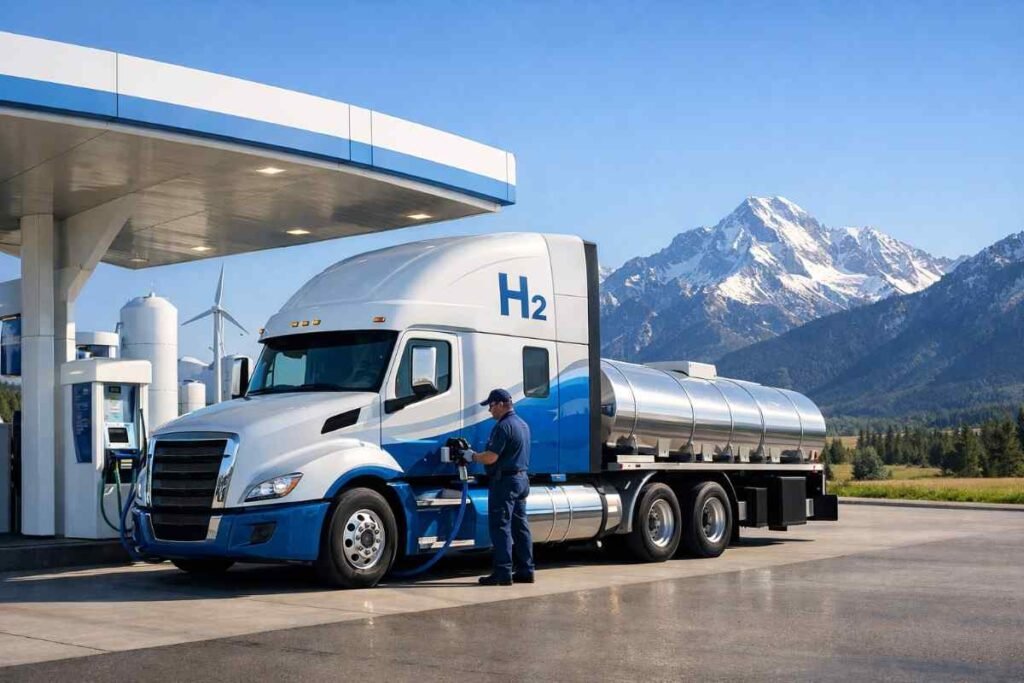
Hydrogen fuel is becoming a strong alternative for heavy-duty transport where batteries are less practical. Trucks powered by hydrogen fuel cells can refuel quickly and operate efficiently without harmful emissions.
This technology is particularly important for industries like logistics and aviation, where energy demands are high and sustainability is challenging.
Circular Economy And Advanced Recycling
Recycling is evolving through the use of AI and robotics. Advanced systems can sort materials with high precision, improving efficiency and reducing our waste.
Upcycling is another key trend where waste materials are transformed into valuable products. This approach reduces landfill use and supports a more sustainable production cycle.
Smart Agriculture Systems
Agriculture is becoming more efficient through precision farming. AI and IoT devices monitor soil, water, and crop health to optimize resource use.
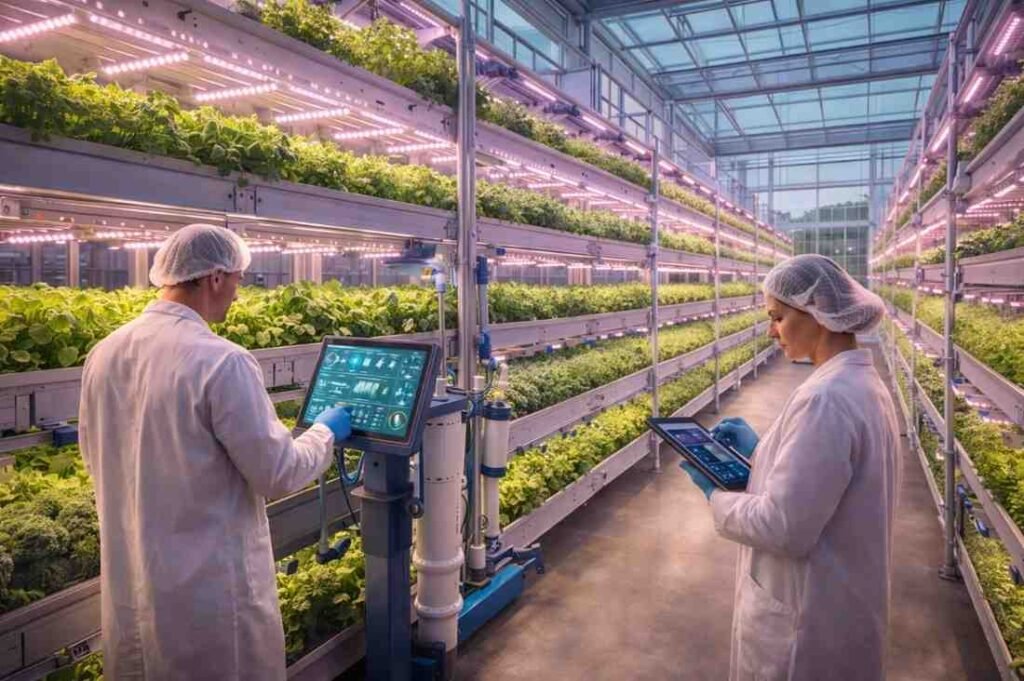
Vertical farming is also gaining popularity. Growing crops in controlled environments reduces land use and transportation needs while ensuring consistent production.
Breakthrough Trends Shaping The Future Of Sustainability
These innovations show where the future is heading.
Urban Air Purification Solutions
Innovations like algae-based systems are being integrated into urban spaces to improve air quality. These systems can absorb carbon dioxide and release oxygen efficiently. They are particularly useful in dense cities where traditional green spaces are limited.
Artificial Photosynthesis Technology
This technology mimics natural plant processes to convert sunlight, water, and carbon dioxide into clean fuel. It represents a breakthrough in renewable energy production. The potential lies in creating sustainable fuel without relying on fossil resources.
Ocean Wave Energy Systems
Wave energy technology captures the movement of ocean waves to generate electricity. This source of energy is predictable and consistent compared to other renewables. It offers a reliable solution for coastal regions looking to diversify energy sources.
How Sustainable Tech Is Changing Everyday Living
These changes are not limited to industries. They directly impact how people live.
Energy Efficiency At Home
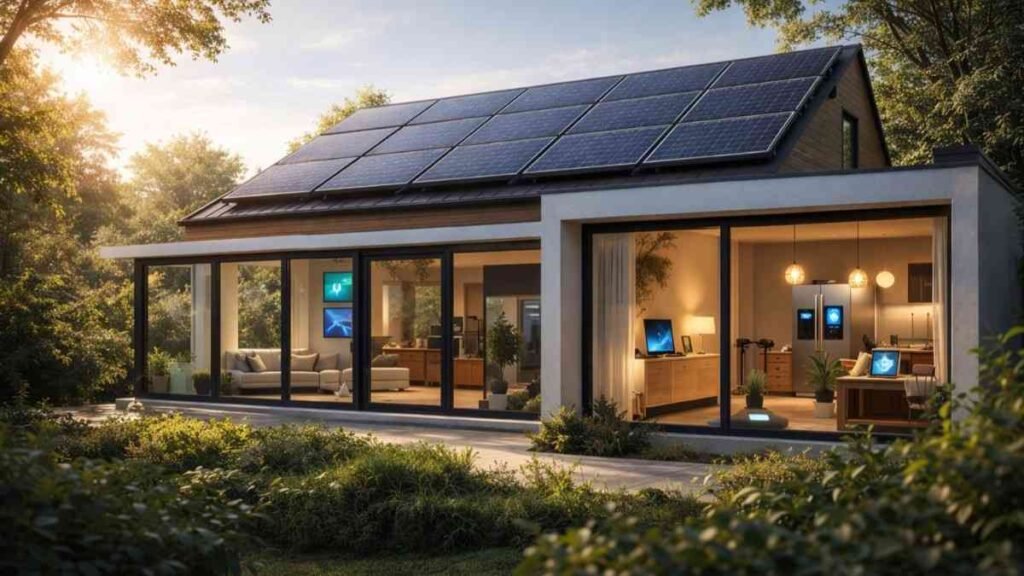
Smart systems help manage energy consumption automatically. This reduces waste and lowers monthly expenses without requiring constant attention. Over time, these improvements create a more efficient and cost-effective living environment.
Improved Living Conditions
Cleaner air, sustainable water management, and reduced pollution contribute to healthier living spaces. These benefits are especially noticeable in urban areas. Technology is making it easier to maintain a comfortable and sustainable lifestyle.
Smarter Resource Management
From energy to water usage, modern systems provide better control and visibility. This helps individuals make informed decisions about consumption.
It also encourages long-term habits that support sustainability.
Simple Ways To Adopt Eco-Friendly Tech
Applying green technology innovations starts with understanding where improvements can be made.
- Begin by evaluating energy usage at home and identifying inefficient systems or appliances. Replacing them with energy-efficient alternatives is often the easiest first step.
- Next, integrate smart technologies that monitor and optimize consumption automatically. Devices like smart thermostats and energy tracking apps help reduce waste without requiring constant effort. These tools make sustainability more practical and less time-consuming.
- Finally, adopt a gradual approach. Focus on changes that offer immediate benefits, such as lower bills or improved comfort. Over time, these small upgrades build a more sustainable and efficient lifestyle without overwhelming the process.
Frequently Asked Questions
1. What Are Green Technology Innovations Used For?
They are used to reduce environmental impact, improve efficiency, and create sustainable solutions across energy, construction, and transportation sectors.
2. Are Green Technology Innovations Expensive To Adopt?
Many solutions are affordable and offer long-term savings through reduced energy costs and improved efficiency.
3. How Do Green Technology Innovations Help Daily Life?
They lower energy bills, improve air quality, and make systems more efficient and convenient.
4. Can Small Changes Make A Difference?
Yes, even small upgrades like efficient lighting or smart devices can significantly reduce energy consumption over time.
Future Direction Of Sustainable Innovation
Adopting green technology innovations has changed how efficiency and sustainability fit into daily life. These technologies are not about sacrifice but about smarter systems that improve comfort and reduce waste. As innovation continues to grow, the gap between convenience and sustainability will keep shrinking, making it easier to live responsibly while maintaining a modern lifestyle.