

If you’re searching does vitamin C help acne, you’re probably dealing with breakouts and mixed skincare advice. I’ve noticed most articles either overpromise or stay vague. Here’s the honest answer upfront: Vitamin C does not treat acne at the root, but it can significantly improve how acne heals and how your skin looks afterward.
In this guide, I’ll explain how Vitamin C actually works, when it helps, when it doesn’t, and how to use it safely if you’re acne-prone.
Key Takeaways
- Vitamin C does not directly cure acne, but it supports faster healing.
- It reduces inflammation, redness, and post-acne marks.
- Using the wrong concentration can worsen breakouts.
- Topical Vitamin C works better than oral supplements for skin.
- Acne-prone skin needs the right type and strength.
How Vitamin C Works on Acne-Prone Skin
Vitamin C is a powerful antioxidant. For acne, its value lies in skin repair rather than acne elimination.
What it does well:
- Reduces inflammation around active pimples
- Calms redness
- Speeds up skin healing
- Supports collagen production
- Protects skin from environmental stress
- protect your skin from everyday pollution
What it does not do:
- Kill acne-causing bacteria
- Unclog pores
- Replace acne medications
This distinction matters, and many competitor articles skip it.
Does Vitamin C Treat Acne or Only Acne Marks?
This is where confusion usually starts.
Vitamin C helps with:
- Red, inflamed pimples
- Faster recovery after breakouts
- Post-inflammatory hyperpigmentation
- Uneven skin tone caused by acne
Vitamin C does NOT help with:
- Severe cystic acne
- Hormonal acne triggers
- Whiteheads caused by clogged pores
From what I’ve seen, Vitamin C works best as a supporting ingredient, not a standalone acne treatment.
Topical vs Oral Vitamin C for Acne
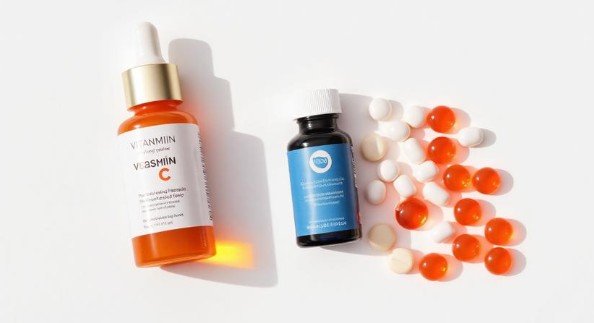
Most competitors barely explain this, so let’s clear it up.
Topical Vitamin C
- Works directly on the skin
- Reduces redness and irritation
- Helps fade acne marks
- Visible results in 4–8 weeks
Oral Vitamin C
- Supports general immunity
- Has minimal direct impact on acne
- Helpful only as a nutritional support
If your goal is clearer skin, topical Vitamin C is the better option.
Best Types of Vitamin C for Acne-Prone Skin
Not all forms of Vitamin C are suitable for acne-prone skin. Some can be irritating and exacerbate breakouts, while others are gentler and more skin-friendly. Here’s a breakdown of the best and worst Vitamin C options for acne-prone skin:
Better Options for Acne-Prone Skin:
-
Sodium Ascorbyl Phosphate
This stabilized form of Vitamin C is gentle and effective for acne-prone skin. It’s less irritating than other forms and helps reduce inflammation without causing breakouts. -
Magnesium Ascorbyl Phosphate
Known for being mild and stable, this derivative is a great option for those with sensitive or acne-prone skin. It works to brighten the skin while being less likely to cause irritation. -
Ascorbyl Glucoside
A water-soluble form of Vitamin C, Ascorbyl Glucoside is gentle on the skin and can brighten and protect without irritation, making it a good choice for acne sufferers.
Higher-Risk Options:
-
L-Ascorbic Acid Above 15%
While L-Ascorbic Acid is the most potent form of Vitamin C, concentrations above 15% can be too strong for sensitive or acne-prone skin. Higher concentrations can cause irritation, redness, or breakouts if not introduced slowly. -
Low-pH Formulas on Sensitive or Damaged Skin
Many Vitamin C serums are formulated at a low pH to enhance absorption. However, these can be too harsh on sensitive or compromised skin, leading to irritation and triggering acne flare-ups.
I’ve seen breakouts occur simply because someone started with a too strong or high concentration of Vitamin C too quickly. It’s important to choose a gentle form and gradually introduce it into your routine to avoid over-stimulating the skin.
How to Use Vitamin C for Acne Safely
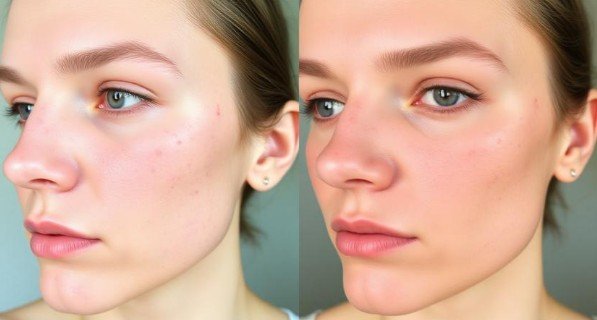
Here’s the framework I recommend for acne-prone skin.
Step-by-step routine
- Use Vitamin C in the morning
- Apply on clean, dry skin
- Start with 5–10% concentration
- Follow with a lightweight moisturizer
- Always apply sunscreen
Frequency
- Begin 2–3 times a week
- Increase slowly if your skin tolerates it
Ingredient pairing
Safe to use with:
- Niacinamide
- Hyaluronic acid
- Sunscreen
Avoid layering immediately with:
- Strong retinoids
- Benzoyl peroxide
- High-strength exfoliating acids
Can Vitamin C Make Acne Worse?
Yes, Vitamin C can worsen acne in some cases, and this is often overlooked. Here’s how:
Too Strong of a Formula
High concentrations can irritate acne-prone skin. Opt for lower concentrations if you notice irritation.
Compromised Skin Barrier
If your skin barrier is weakened, Vitamin C can cause further irritation. Focus on barrier repair before using active ingredients.
Too Many Active Ingredients
Layering Vitamin C with other potent actives can overwhelm the skin and cause breakouts. Consider using Vitamin C on alternate days.
Oxidized Product
If Vitamin C oxidizes, it becomes ineffective and can irritate the skin. Store it properly and discard if it changes color.
If you experience stinging, redness, or breakouts, pause and reassess your routine.
Who Should Avoid Vitamin C for Acne?
Vitamin C can sometimes aggravate acne-prone skin. Here’s when it may not be ideal:
Active Cystic Acne
Vitamin C can irritate inflamed skin, worsening cystic acne. Focus on targeted acne treatments instead.
Extremely Sensitive Skin
If your skin is sensitive, Vitamin C may cause redness or stinging. Use a milder form or avoid it altogether.
Using Multiple Acne Actives
Combining Vitamin C with other acne treatments may lead to irritation. Keep your routine simple and prioritize acne actives.
Frequent Irritation or Sensitivity
If your skin is prone to irritation, Vitamin C might worsen the problem. Stick to soothing treatments until the irritation subsides.
In these cases, acne treatments should take priority until the skin is calmer, then Vitamin C can be added gradually.
Frequently Asked Questions
1.Does vitamin C help acne scars?
Yes. Vitamin C helps for clearing acne marks by reducing excess pigmentation and supporting collagen repair.
2.How long does vitamin C take to work for acne?
Redness may improve in 2–4 weeks, while acne marks often fade in 6–8 weeks.
3.Is vitamin C good for oily acne-prone skin?
Yes, when used in lightweight, water-based formulations with lower concentrations.
4.Can I use vitamin C every day if I have acne?
Yes, but only after your skin adjusts. Start slowly.
5.Should I stop vitamin C during active breakouts?
No, but avoid applying directly on open or inflamed pimples.
Final Verdict: Does Vitamin C Help Acne?
So, does vitamin C help acne? Based on evidence and real-world use, yes—but only when used correctly and with realistic expectations.
Vitamin C won’t replace acne treatments, but it plays an important role in calming inflammation, speeding up healing, and preventing long-term marks. When chosen wisely and used patiently, it can be a valuable part of an acne-safe routine.