Better sleep stopped feeling like luck once I understood how sleep tech works in both everyday life and professional healthcare. Instead of guessing what affects rest, the combination of smart devices and medical expertise makes sleep measurable and actionable.
What makes sleep tech powerful is how it bridges science and daily habits, helping improve sleep quality in ways that feel practical and sustainable.
What Is Sleep Tech And Why It Matters
Sleep tech refers to two major areas. One is the professional field where trained specialists diagnose and treat sleep disorders. The other is consumer technology designed to track and improve sleep at home. Together, they create a complete ecosystem that supports better sleep health.
From a user perspective, sleep technology turns invisible sleep patterns into clear insights. From a medical perspective, it enables accurate diagnosis and treatment of conditions like sleep apnea and insomnia. This dual role makes sleep tech one of the fastest-growing areas in health and wellness.
Professional Side Of Sleep Tech Careers
Sleep technologists, also known as polysomnographic technologists, work under physicians to study and evaluate sleep disorders. They play a critical role in identifying conditions that impact long-term health and daily performance.
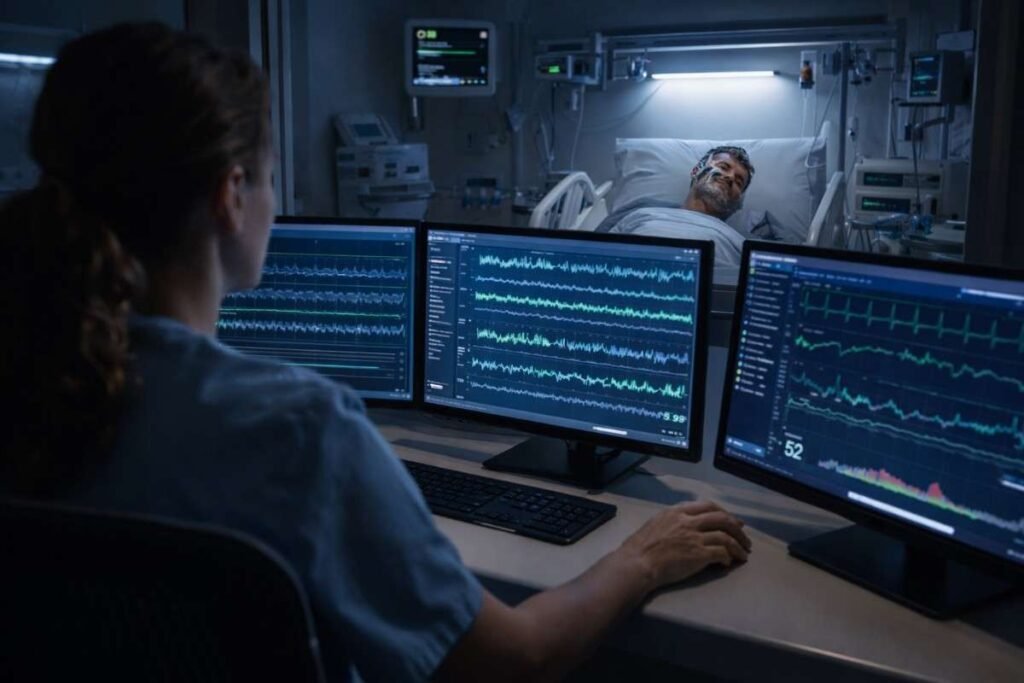
These professionals conduct overnight sleep studies where patients are monitored using specialized equipment. The data collected helps doctors understand disruptions in sleep cycles, breathing, and neurological activity.
What Does A Sleep Technologist Do
Sleep technologists attach sensors to monitor brain waves, heart rate, breathing patterns, and oxygen levels during sleep studies. They observe patients overnight and ensure data is recorded accurately for diagnosis.
They also assist in treatments such as CPAP therapy for sleep apnea. By adjusting equipment and monitoring patient responses, they help improve treatment outcomes and comfort.
Education And Certification Requirements
Most roles require a diploma or associate degree in polysomnographic technology. Programs focus on physiology, sleep science, and equipment handling.
The most recognized certification is the Registered Polysomnographic Technologist credential. This certification demonstrates expertise and is often required for advanced roles in sleep clinics and hospitals.
Salary And Career Growth
As of 2026, the average annual salary for a sleep technologist in the United States is around sixty-three thousand dollars, with experienced professionals earning significantly more.
Demand continues to grow due to rising awareness of sleep disorders and the importance of sleep health. This makes sleep tech careers both stable and future-focused.
Consumer Sleep Tech Devices And Tools
Consumer sleep tech includes devices and applications that help track and improve sleep at home. These tools focus on convenience, accessibility, and habit improvement.
Unlike clinical setups, these devices are designed for everyday use. They provide insights without requiring medical supervision, making sleep improvement more approachable.
Wearables And Smart Earbuds
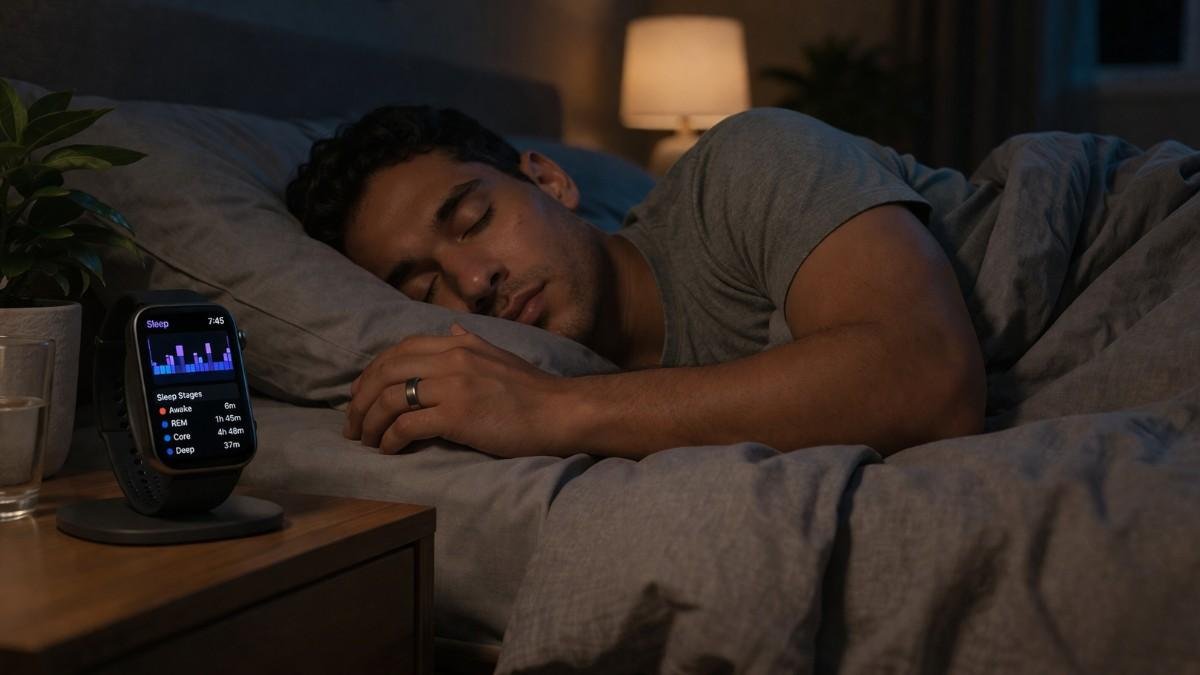
Wearables like smartwatches and rings monitor movement, heart rate, and sleep cycles. They provide daily sleep scores and long-term trends. Smart earbuds add another layer by combining tracking with features like noise masking. They help reduce disturbances while collecting useful sleep data through connected apps.
Environmental Sleep Systems
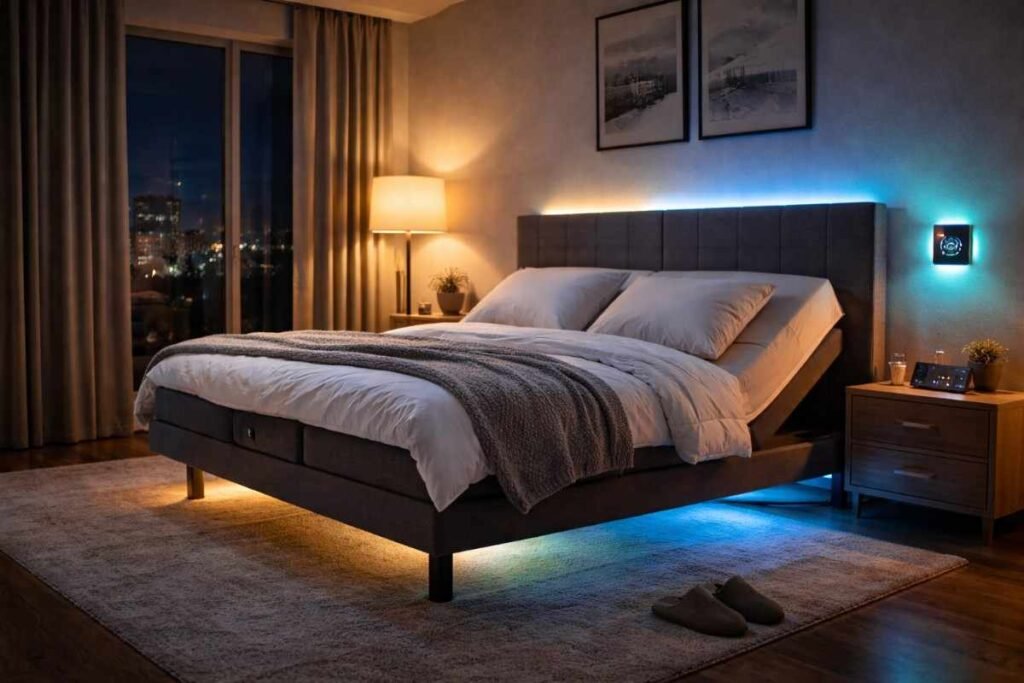
Temperature control systems allow you to adjust bed climate throughout the night. This supports deeper sleep by aligning with natural body temperature changes. Smart lighting systems gradually dim or brighten to support circadian rhythms. These environmental tools work silently in the background to improve sleep without effort.
Smart Beds And Furniture
Smart beds can detect snoring and automatically adjust positions to reduce disruptions. They also provide coaching insights based on sleep patterns. These systems combine comfort with technology, creating a more adaptive sleep environment that responds to your needs in real time.
Non Wearable Sleep Aids
Devices like advanced alarm clocks and sound machines help create consistent sleep routines. Features such as two phase alarms and white noise improve both falling asleep and waking up. These tools are especially helpful for people who want benefits without wearing devices during sleep.
Home Diagnostic Sleep Tech Tools
Home diagnostic kits allow individuals to test for conditions like sleep apnea without visiting a sleep lab. They provide convenience while maintaining clinical accuracy.
These kits typically use finger and wrist sensors to measure breathing, oxygen levels, and movement. The data is reviewed by medical professionals to provide diagnosis and recommendations.
This approach makes sleep tech more accessible while reducing the need for overnight hospital stays.
Why Sleep Tech Works In Real Life
Sleep tech goes beyond tracking by highlighting patterns that influence sleep quality. Instead of guessing why sleep feels off, users can identify specific behaviors affecting rest.
Over time, this awareness leads to small but meaningful changes. Adjusting bedtime, reducing screen exposure, or improving the sleep environment becomes easier when backed by data.
The result is not perfect sleep every night, but consistent improvement that builds long-term health and energy.
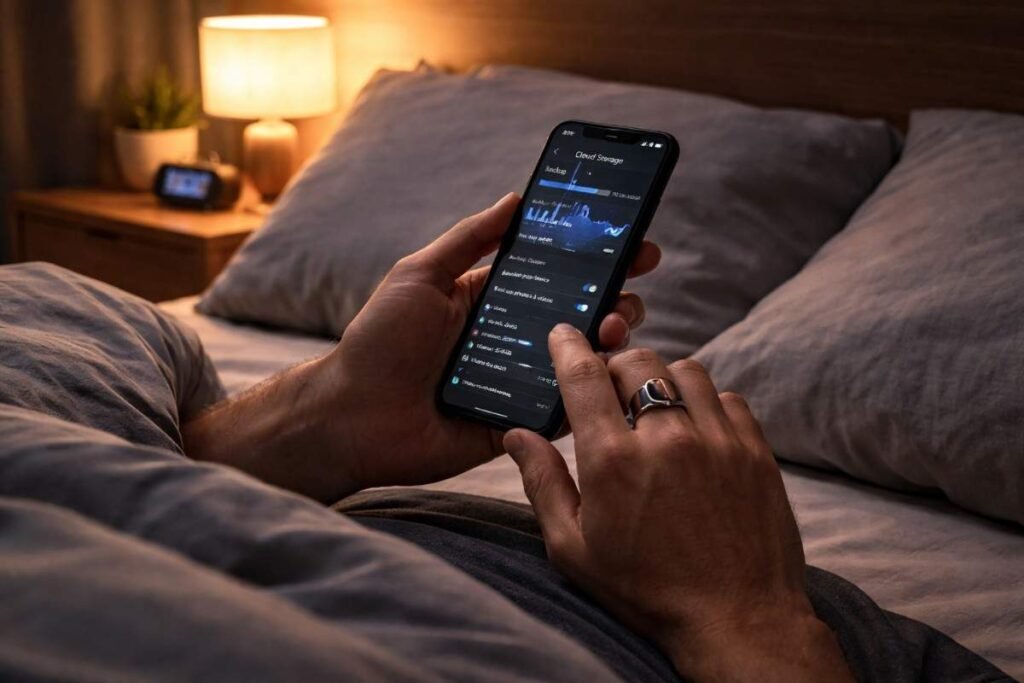
How To Work As a Sleep Tech In Daily Life
This is where sleep tech becomes practical and results driven.
- Start with one device or tool to avoid overwhelm. Using a wearable or simple tracker helps establish a baseline for your sleep patterns without adding complexity.
- Next, focus on one habit at a time. Use your sleep data to guide small adjustments such as improving bedtime consistency or optimizing your sleep environment. Avoid making multiple changes at once to keep the process sustainable.
- Finally, review your progress weekly instead of daily. This helps you focus on long-term trends rather than short-term fluctuations.
- Over time, sleep tech becomes a natural part of your routine rather than something you constantly think about.
Frequently Asked Questions
1. What Is Sleep Tech Used For?
Sleep tech is used to track sleep patterns, improve sleep quality, and diagnose sleep disorders through both consumer devices and medical tools.
2. Is Sleep Tech Accurate?
Most devices provide reliable trends but may not be perfectly accurate. They are best used for guidance rather than exact measurements.
3. Can Sleep Tech Replace Doctors?
No, consumer sleep tech supports awareness but cannot replace professional diagnosis or treatment from medical experts.
4. Is Sleep Tech Worth It?
Yes, especially when used consistently. It helps build better habits and provides insights that improve long-term sleep quality.
Sleep Tech Is The Upgrade You Need
Sleep tech offers a unique combination of science, technology, and practical lifestyle improvement. From professional sleep technologists diagnosing disorders to everyday devices helping build better routines, it covers every aspect of sleep health.
The real value of sleep tech lies in turning awareness into action, helping you move from inconsistent sleep patterns to a more structured and energized life without relying on guesswork.