
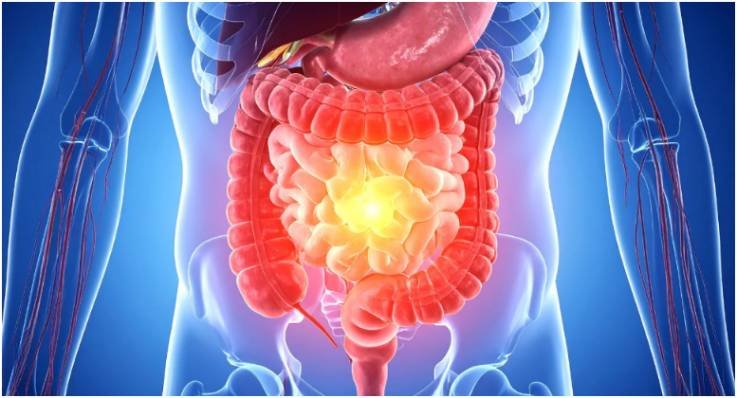
When I first started paying attention to my gut health, I had no idea what a game-changer it would be. I’d heard all the buzzwords—probiotics, prebiotics, gut microbiome—but it wasn’t until I truly took the time to improve my gut health naturally that I noticed a real difference in how I felt day-to-day.
I used to struggle with bloating, low energy, and the occasional digestive discomfort. Over time, I realized that my body was telling me something important—my gut needed more care. If you’re ready to feel your best and improve your digestion naturally, this post is for you.
I’m sharing the practical, lifestyle-based changes I made, the foods I focused on, and the simple routines I built into my life.
What Exactly Is Gut Health, and Why Should I Care?
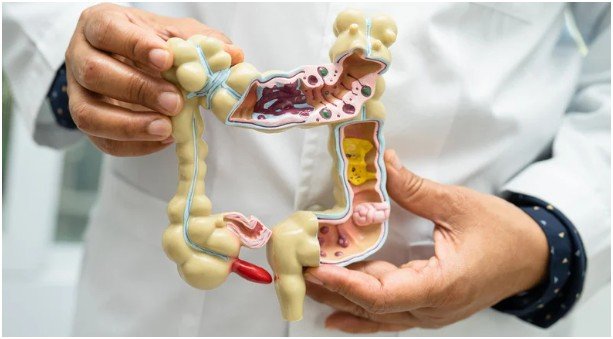
Let’s start with the basics. Gut health is all about the state of your digestive system, especially the balance of the bacteria and microorganisms in your gut.
It’s crucial because your gut impacts everything—your immune system, your mood, your energy levels, and yes, your digestion. When your gut is in tip-top shape, you feel great, and your body runs smoothly.
So, how do we improve it? Well, I found that the key is consistency. Small, manageable changes in your daily routine can make a huge impact over time.
How Can I Improve My Gut Health Naturally Through Food?
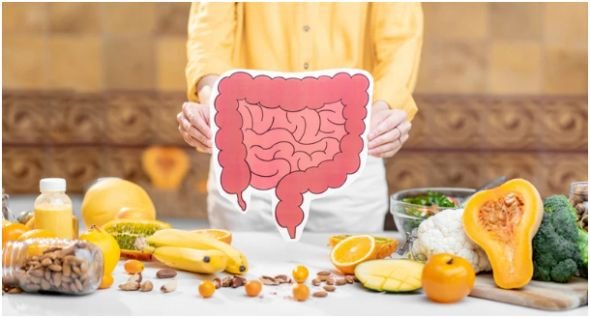
I realized early on that food plays a massive role in my gut health which i learnt after breaking down the science. What I put on my plate directly affects how I feel, and making a few simple swaps helped me see immediate benefits.
- Fiber Is Your Best Friend
Increasing my fiber intake was one of the first changes I made, and it’s had a noticeable impact on my digestion. Fiber feeds the good bacteria in your gut and helps keep things moving. I made sure to load up on whole grains like quinoa and oats, as well as plenty of veggies like spinach and zucchini. Aim for 25-38 grams of fiber daily, and your gut will thank you. - Fermented Foods = Happy Gut
Next up, I incorporated more fermented foods into my diet. Think yogurt, kimchi, kombucha, sauerkraut, and kefir. These foods are rich in probiotics—live bacteria that are great for your gut. They help balance your microbiome, making digestion smoother and supporting your immune system. - Avoid Too Much Sugar & Processed Foods
I’ll be honest—this was hard. But cutting back on processed foods and refined sugars helped me reduce inflammation and keep my gut happy. Instead of reaching for processed snacks, I started making meals from scratch, focusing on whole, plant-based ingredients that nourish my gut and keep me feeling energized. - Healthy Fats Are Gut-Approved
Healthy fats are another piece of the puzzle. I found that Omega-3 fatty acids, which are abundant in foods like walnuts, chia seeds, and fatty fish, helped reduce gut inflammation. Olive oil became my go-to for cooking, and I swapped out other oils for healthier options.
How Can Lifestyle Habits Improve My Gut Health?

Changing my lifestyle was just as important as altering my diet. Here’s what I found works for me.
- Stay Hydrated
Drinking enough water isn’t just good for your skin—it’s great for your gut, too. I made a habit of sipping water throughout the day, aiming for 8-10 glasses. Water helps break down food and keep things moving in your digestive system. - Stress Less (Seriously!)
I can’t stress this enough—stress is a major gut disruptor. When I started practicing mindfulness, like deep breathing and yoga, I noticed a big difference. These techniques helped calm my mind and my gut, reducing bloating and discomfort. - Sleep for Gut Health
Good sleep isn’t just for your brain; it’s for your gut, too. I started prioritizing quality sleep, aiming for 7-9 hours each night. I found that when I slept better, my digestion improved, and I had more energy to get through the day.
How Do I Know If My Gut Health Is Improving?
After a few weeks of making these changes, I started to notice real, positive shifts. First, my bloating started to decrease. Then, my energy levels spiked, and I felt more regular.
I didn’t experience the heavy, sluggish feeling I used to after meals. Within 2-4 weeks, my digestion improved, and my mood was more stable, thanks to a healthier gut.
How-To Guide: Steps for Improving Gut Health Naturally
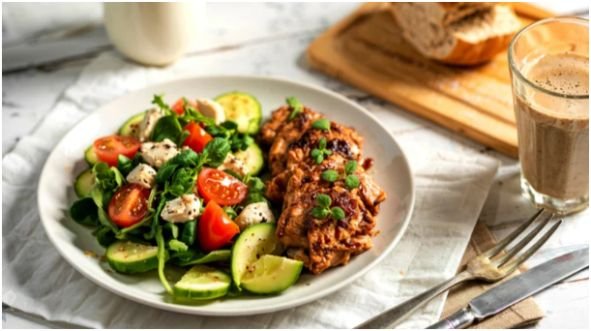
If you’re wondering where to start, here’s a step-by-step guide based on my personal experience. You don’t need to overhaul your life overnight—small changes over time can lead to big results.
- Start Your Day with Hydration:
First thing in the morning, drink two glasses of warm water. This wakes up your digestive system and gets things moving. - Add Probiotics to Breakfast:
Include a serving of yogurt, kefir, or kombucha in your breakfast. This kick-starts your day with healthy bacteria. - Eat a Fiber-Rich Meal:
At lunch, make sure to include a high-fiber dish. Try quinoa, legumes, or a veggie-packed salad. Fiber helps feed the good bacteria in your gut. - Go for a Post-Meal Walk:
After lunch, take a 10-minute walk. It helps with digestion and keeps things moving in your intestines. - Opt for Mindful Eating:
When you eat, slow down. Chew each bite thoroughly to aid in digestion and reduce bloating. - Practice Stress Reduction:
Incorporate stress management practices into your routine, like yoga or meditation, to reduce the negative impact stress can have on your gut. - Sleep Well:
Aim for 7-9 hours of sleep each night to give your gut the time it needs to heal and repair.
FAQ: Your Gut Health Questions, Answered!
1. How long does it take to see improvements in gut health?
For me, it took about 2-4 weeks to feel the difference. The bloating reduced, and I had more consistent energy. Everyone’s gut is different, so give it time to adjust.
2. Can probiotics help with bloating?
Yes! Adding more probiotics, like those in fermented foods, helped me reduce bloating. They introduce beneficial bacteria to your gut, improving digestion and reducing discomfort.
3. What foods should I avoid for better gut health?
I found that high-FODMAP foods, like onions and garlic, as well as dairy and processed foods, made my gut feel off. It’s all about finding what works best for you, but these are common offenders for many people.
Wrap It Up: Give Your Gut Some Love!
Improving gut health naturally isn’t an overnight fix, but it’s definitely worth the effort. By making small changes to what I eat and how I live, I’ve felt more energized, less bloated, and overall healthier. Remember, it’s about building habits that support your body in the long run. Your gut will thank you!
Key Takeaways:
- Focus on fiber, fermented foods, and healthy fats.
- Manage stress, hydrate well, and get quality sleep.
- Small, consistent changes can lead to big improvements in digestion and overall health.
Go ahead, start your gut health journey today—and let me know how it goes! Your body will thank you for it.