
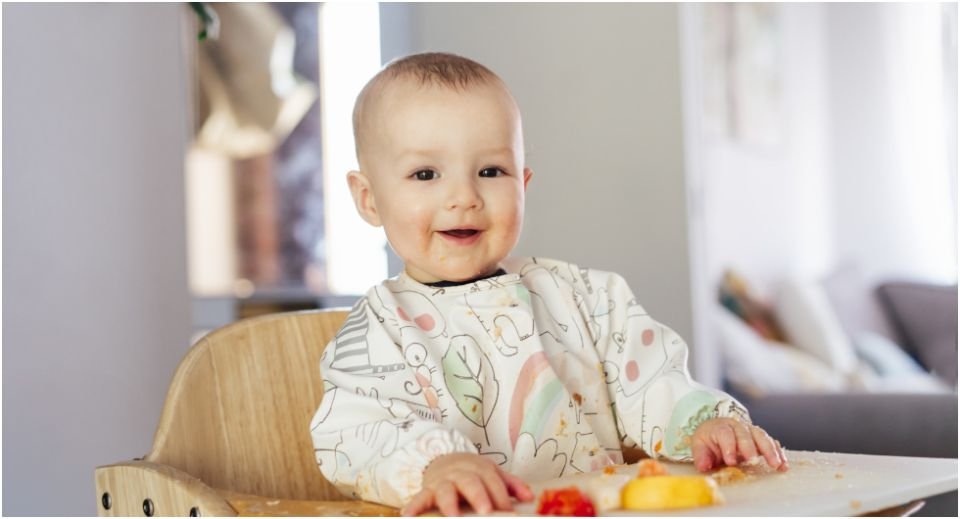
As a parent, the moment you realize your baby is ready for solid foods is exciting, but it can also feel a bit overwhelming. I remember that moment when I first thought, “It’s time!” My little one had been exclusively breastfeeding, and all of a sudden, they were watching me eat, showing interest in my food, and even mimicking my chewing motions. That’s when I knew the time had come to introduce solid foods.
If you’re like me and had no clue where to start, don’t worry! I’ve been there, and I want to share how I introduced solid foods to my baby step-by-step, with tips that made it easier than I imagined. Here’s how I navigated the transition without losing my sanity, and how you can too!
When Is the Right Time to Start Solid Foods?
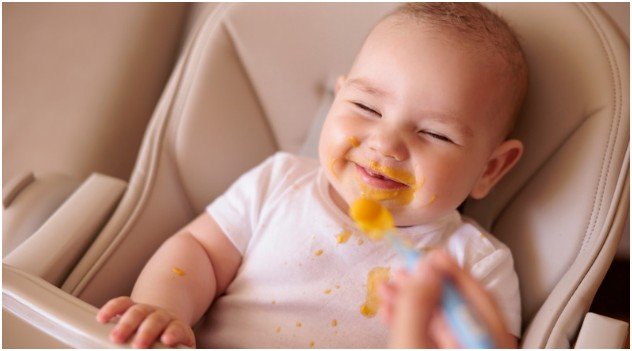
Before we dive into the practical steps, let’s first talk about timing. It’s not just about the baby’s age; it’s about their physical readiness. Most health experts, including the American Academy of Pediatrics (AAP), recommend introducing solids around 6 months. But, how do you know your baby is ready?
Key Signs Your Baby Is Ready:
- Head and neck control: Your baby should be able to hold their head up steadily.
- Sitting up: While not 100% independently, your baby should be able to sit with support.
- Interest in food: Watching you eat and reaching for food is a big indicator!
- Decreased tongue-thrust reflex: This reflex helps babies push food out, but around 4-6 months, it begins to fade.
When your baby shows these signs, it’s a good time to start. Trust me, this isn’t something you want to rush – go at your baby’s pace.
What Foods Should You Start With?
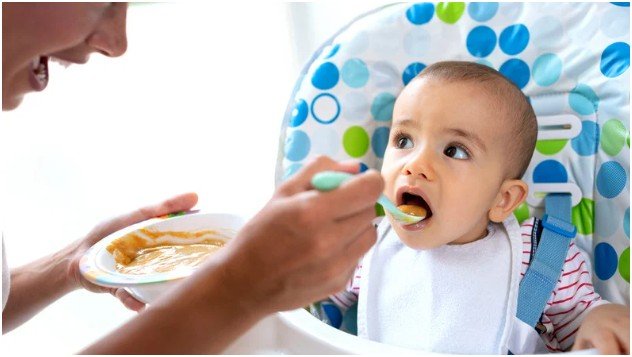
Now comes the fun part—choosing what foods to introduce first! I remember hearing so many conflicting opinions on what was “best.” Should I start with purees? Should I go straight to baby-led weaning? After some research and consulting with my pediatrician, I decided to ease in with simple, single-ingredient purees. Here’s what I learned worked best for us.
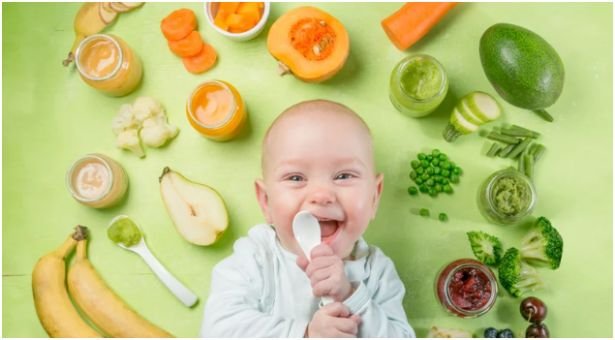
Best First Foods for Your Baby:
- Rice Cereal: It’s easy to digest and simple to mix with breast milk or formula. Start with a smooth texture, gradually making it thicker as they get the hang of eating solids.
- Pureed Vegetables: Sweet potatoes and carrots were a hit for us. They’re soft and packed with nutrients. I cooked them, pureed them, and froze individual servings in ice cube trays.
- Pureed Fruits: Apples and pears were my baby’s first fruit choices. They were gentle on the tummy and naturally sweet.
- Avocados: Full of healthy fats, they are a great first food. I mashed them to a creamy consistency that my baby loved.
Things to Remember:
- Start with one food at a time: Introduce a single food for 3-5 days before adding another. This will help you track any potential allergies.
- Use a spoon, not a bottle: I was surprised to learn that using a spoon helps babies develop oral motor skills.
- Don’t rush textures: Start with smooth purees and slowly move to mashed and chunky textures as your baby’s skills grow.
How to Make the Transition Fun
I’ll admit, the first time I fed my baby solid food, it was messy! But what a joy it was to see their excitement. Here’s how I kept the experience fun and stress-free food ideas for picky eaters also.
Let Them Explore
Let your baby touch their food. The mess might seem daunting, but it’s all part of the learning process. I placed small portions of food on their high chair tray and watched them squish, mash, and taste. They learned to love the textures and flavors. Plus, it was adorable!
Be Patient With Their Pace
There’s no need to rush them. Some babies may love food right away, while others might take a while to warm up. My little one only ate a few spoonfuls during the first few days, but over time, they got more enthusiastic. I stayed patient, and so did they!
Encourage Self-feeding
As your baby becomes more comfortable with eating, they may want to feed themselves. I started offering soft finger foods like small pieces of banana or cooked carrots. At first, it was all about exploration—food on the floor, in the hair, everywhere! But over time, they learned how to grab the food and bring it to their mouth.
How to Introduce Solid Foods to Your Baby Step-by-Step
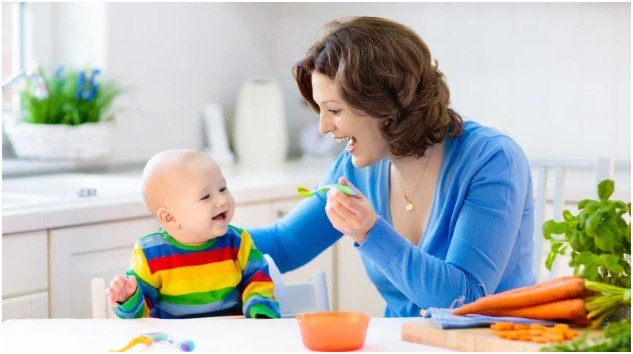
Step 1: Start Small
Introduce one new food at a time. Offer a small spoonful of pureed food and see how your baby responds. If they love it, great! If not, try again another day.
Step 2: Gradually Increase Variety
Once your baby has accepted a few foods, you can start mixing things up. Add fruits, veggies, and proteins. I eventually added pureed chicken or turkey to my baby’s meals, which they surprisingly loved!
Step 3: Observe and Adjust
Watch for any signs of food allergies, such as rashes or tummy trouble. If you suspect a food is causing a reaction, stop offering it and consult with your pediatrician.
Step 4: Keep Mealtime Enjoyable
Try not to stress about perfecting every meal. Let your baby explore and experiment with textures. If they don’t eat much one day, that’s okay—just try again the next day.
Frequently Asked Questions
1. How many times a day should I introduce solid foods to my baby?
In the beginning, start with once a day. Gradually, you can increase to two or three times a day. But remember, breast milk or formula should still be their main source of nutrition during the first year.
2. What should I avoid feeding my baby?
Stay away from honey (due to the risk of botulism), unpasteurized foods, and choking hazards like nuts and whole grapes. Also, be cautious with foods that can cause allergies, like peanuts, eggs, and dairy—consult your pediatrician if unsure.
3. Can I mix breast milk or formula into the solid foods?
Yes, adding breast milk or formula into purees can help with familiarizing your baby with the new taste and texture. It also helps ensure they get the nutrition they need!
4. When can my baby start eating more textured foods?
Around 7-8 months, your baby might be ready for mashed and chopped foods. By 9-12 months, many babies enjoy soft finger foods and are ready to self-feed more independently.
The Final Scoop: Making the Most of the Journey
Introducing solid foods to your baby is an exciting milestone, but it doesn’t have to be stressful. Take it one meal at a time, have fun with it, and cherish these moments. It’s a messy, beautiful experience that will soon turn into delightful mealtimes filled with family memories.
Tip: Keep your baby’s palate wide by offering a variety of flavors and textures. You never know—they might surprise you with their food preferences!