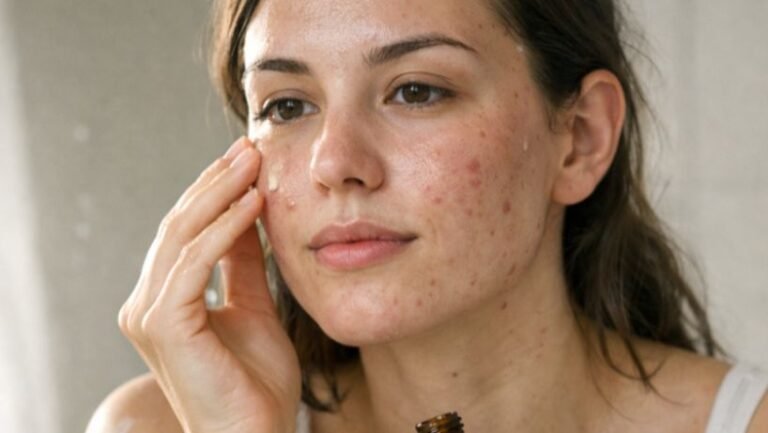

If you are searching for the best skincare routine for hormonal acne, you are likely dealing with breakouts that keep returning in the same areas, especially around the chin, jawline, and lower cheeks.
Unlike regular acne, hormonal acne follows a biological pattern connected to oil production, inflammation, and internal hormonal fluctuations rather than poor hygiene.
Many people spend months trying random products because they treat hormonal acne as surface bacteria acne. In reality, the problem starts deeper inside the pore where excess sebum combines with dead skin cells and triggers inflammation.
The goal of an effective routine is not to dry the skin but to regulate oil production, calm irritation, protect the skin barrier, and prevent pigmentation marks. When performed consistently, noticeable improvement usually appears within four to eight weeks.
This guide explains the complete best skincare routine for hormonal acne including daily care, night repair, weekly treatments, lifestyle influence, and situations where professional treatment may be needed.
Key Takeaways
- Hormonal acne is caused by excess oil production and inflammation rather than poor cleanliness
- Gentle and consistent care works better than aggressive treatments
- Retinoids regulate pores while benzoyl peroxide cream controls bacteria
- Sunscreen prevents long-term dark marks
- Over-drying increases oil production and worsens breakouts
Understanding Hormonal Acne Formation
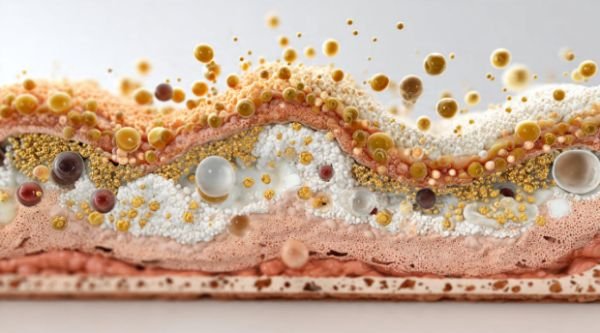
Hormonal acne develops when androgen hormones stimulate sebaceous glands to produce more oil than the pore can release. The trapped oil mixes with keratin debris and forms a blockage. Bacteria then multiply inside the blocked pore, causing swelling and painful lesions.
Unlike teenage acne, hormonal breakouts are usually deeper and appear as cystic bumps rather than small whiteheads. They often worsen before menstruation, during stress, or after irregular sleep.
Because the cause is internal signaling, harsh scrubs and frequent washing cannot solve the problem and may actually increase inflammation.
Morning Routine for Hormonal Acne Control
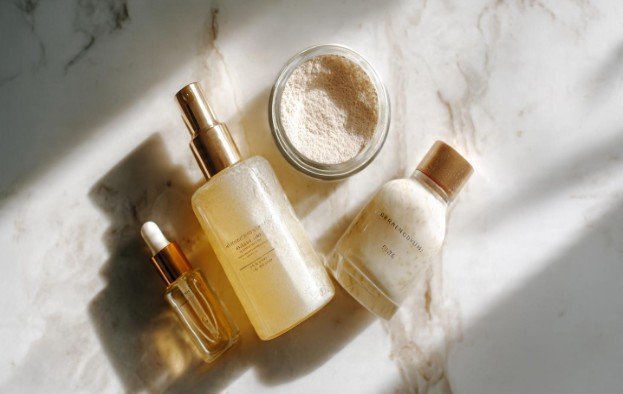
The morning routine should focus on protection and oil regulation. Begin with a gentle cleanser that removes overnight oil without damaging the skin barrier. Over-foaming cleansers trigger rebound oil production and make acne worse.
A low concentration salicylic acid cleanser or a hydrating gel cleanser works best while soap bars and harsh exfoliating beads should be avoided.
After cleansing, apply a calming treatment such as niacinamide or azelaic acid. These ingredients reduce redness and regulate oil release while helping prevent pigmentation. Follow this with a lightweight non-comedogenic moisturizer.
Many people skip moisturizer fearing oiliness, but dehydration signals glands to produce more oil. A gel or lotion containing ceramides or hyaluronic acid keeps the skin balanced.
Finish every morning with sunscreen of at least SPF 30. Ultraviolet exposure darkens acne marks and prolongs healing. Consistent sun protection is one of the most important yet ignored steps in the best skincare routine for hormonal acne.
Evening Repair Routine
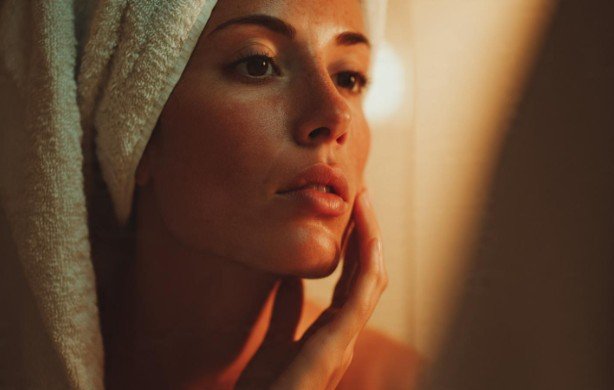
Night care focuses on repair and pore regulation. Start by removing sunscreen and impurities using a gentle double cleanse method.
This prevents blockage while protecting the barrier. After cleansing, apply a retinoid treatment. Retinoids normalize skin cell turnover and prevent clogged pores. During the first weeks mild dryness or purging may occur before improvement begins.
Follow with a barrier-repair moisturizer to reduce irritation and maintain consistency. For inflamed pimples, apply a small amount of benzoyl peroxide only on active spots rather than the entire face to prevent unnecessary dryness.
Weekly Support Treatments
Once or twice weekly chemical exfoliation helps remove dead skin buildup. Salicylic acid suits oily skin while lactic acid suits sensitive skin.
Over-exfoliation should be avoided because barrier damage increases inflammation. A weekly clay mask may also help control surface oil without stripping deeper hydration.
Lifestyle Factors Affecting Hormonal Acne

Hormonal acne does not respond fully to topical care alone because internal triggers play a role.Poor sleep, high sugar intake, chronic stress, and sometimes dairy sensitivity influence oil production. Improving sleep quality alone often reduces severity because cortisol levels affect sebaceous gland activity.
When Over The Counter Products Are Not Enough

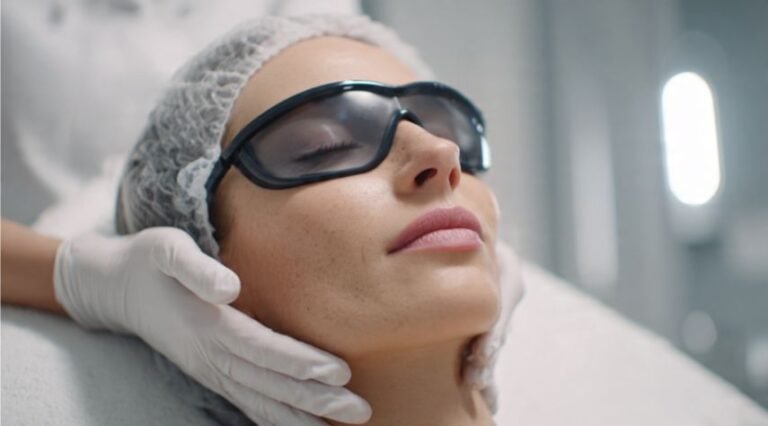
If painful cysts continue after several months of consistent care, medical treatment may be necessary. Dermatologists may prescribe hormonal regulators, oral medication, or stronger retinoids.
These treatments support the best skincare routine for hormonal acne rather than replace it.
Common Mistakes That Worsen Hormonal Acne

1. Frequent Washing
Over-washing can strip natural oils, leading to dryness and excess oil production, which worsens acne. Stick to washing twice a day with a gentle cleanser.
2. Harsh Scrubbing
Scrubbing too hard irritates the skin, increasing inflammation. Use gentle exfoliants instead.
3. Skipping Moisturizer
Skipping moisturizer can dry out the skin, causing it to produce more oil. Use a lightweight, non-comedogenic moisturizer to maintain hydration.
4. Mixing Many Active Ingredients
Layering too many active ingredients can irritate the skin. Focus on one or two key ingredients for best results.
5. Constantly Changing Products
Frequently switching products can confuse your skin. Stick to a simple routine for a few weeks for noticeable improvements.
Consistency, not variety, is key to managing hormonal acne.
Frequently Asked Questions
1. Does hormonal acne ever go away permanently?
It often stabilizes with age but management routine is still required.
2. How long before results appear?
Usually four to eight weeks of consistent routine.
3. Can diet alone cure hormonal acne?
Diet helps but rarely works without proper skincare.
4. Is oily skin the main cause?
Oil contributes but inflammation triggers breakouts.
5. Should makeup be avoided?
Non-comedogenic makeup is safe when removed properly.
Consistency Creates Clear Skin
The best skincare routine for hormonal acne focuses on regulation rather than aggression. Gentle cleansing, anti-inflammatory treatment, retinoid repair, and daily sun protection create a stable environment where pores function normally again.
Instead of chasing instant results, consistent care over several weeks leads to long-term improvement. Combined with balanced sleep and stress control, most individuals experience fewer breakouts and reduced pigmentation over time.