
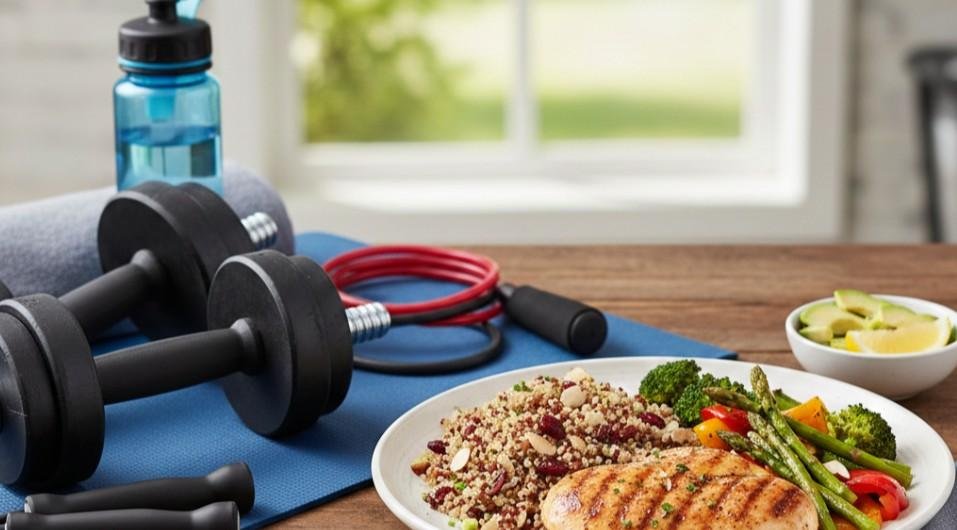
Building muscle is a 24/7 process that involves more than just lifting weights. It’s about fueling your body properly to maximize the effort you put into training. After all, muscle growth doesn’t happen in the gym alone—it happens when you’re properly nourished. If you’ve been hitting the weights but not seeing the gains, chances are your nutrition plan is lacking.
Luckily, this blog has nutrition tips for muscle building that will give your body the tools it needs to grow stronger, faster, and more efficiently.
Mastering Your Macronutrients
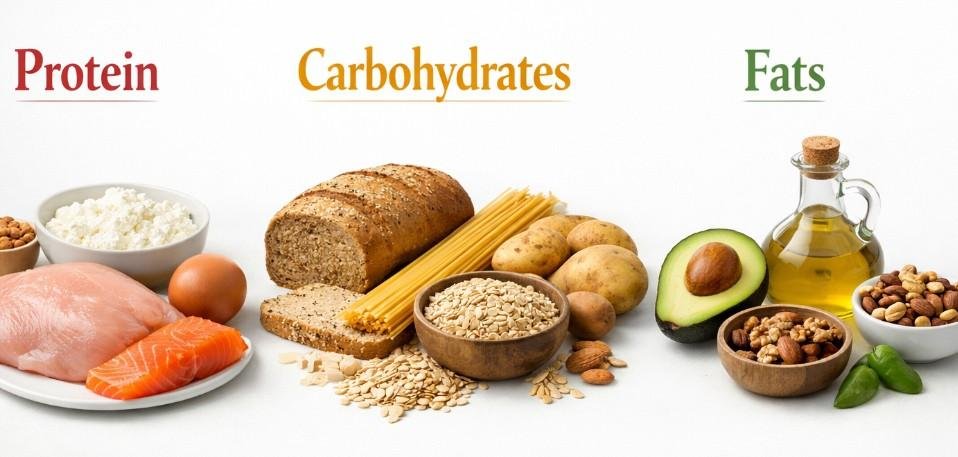
Protein: Building Blocks of Muscle
When it comes to muscle building, protein is the MVP. Aim to consume 1.4–2.2 grams of protein per kilogram of body weight each day. For example, if you weigh 160 lbs (73 kg), you’ll want to target 102 to 160 grams of protein daily. Why? Because protein is responsible for repairing and growing muscle fibers after each workout.
The best sources of protein come from lean animal-based options like chicken breast, salmon, eggs, Greek yogurt, and lean beef. If you’re plant-based, don’t worry—there are plenty of great protein options for you too! Lentils, tofu, edamame, and quinoa provide high-quality, complete protein that supports muscle recovery.
Carbohydrates: Fuel Your Muscles Need
Carbs might get a bad rap in some diets, but when you’re trying to build muscle, they’re essential. Why? Carbs are your primary energy source, especially when lifting heavy weights. They replenish your glycogen stores, which is the fuel your muscles need for workouts. Without enough glycogen, you’ll fatigue faster and won’t be able to push your muscles as hard.
Focus on complex carbs like sweet potatoes, oats, brown rice, and whole-wheat pasta. These foods provide sustained energy and keep your blood sugar stable, so you can perform your best in the gym and recover effectively afterward.
Fats: The Hormone Helpers
Healthy fats are often overlooked, but they play a crucial role in building muscle. Fats support hormone production, including testosterone, which is vital for muscle growth. Without enough healthy fats, your body’s muscle-building hormones can’t function at their best.
Include sources of healthy fats in your diet, such as avocados, nuts, seeds, and olive oil. These fats will help keep your hormones balanced and support overall health, while also providing a steady source of energy.
Strategic Nutrient Timing
When you take your meals is crucial for muscle building:
Meal Frequency Matters for Muscle Building
Instead of eating three large meals a day, aim for 5–6 smaller meals or snacks spaced 3–4 hours apart. This approach keeps your body in an anabolic state, meaning your muscles are constantly being supplied with the nutrients they need to repair and grow. This helps prevent catabolism, the breakdown of muscle tissue, between meals.
Smaller meals help ensure your body is never in a “nutrient deficit,” which can stall muscle gains. Plus, they can improve digestion and help regulate blood sugar levels, so your body is always ready to perform at its best.
The “Anabolic Window” for Post-Workout

The anabolic window refers to the time right after your workout when your muscles are most receptive to nutrients. Post-workout nutrition is key to kickstarting the recovery process. Within 30 to 120 minutes after your workout, try to consume a protein- and carb-rich snack. This will help repair muscle fibers, replenish glycogen stores, and set the stage for muscle growth.
A protein shake with a banana or a small chicken breast with some rice are great options for this window.
Bedtime Protein
Your body does a lot of healing overnight, so don’t neglect protein before bed. A slow-digesting protein like casein is perfect before sleep because it provides a steady release of amino acids throughout the night, aiding muscle recovery while you sleep. You can get casein from cottage cheese or Greek yogurt.
Not only does this help with muscle repair, but it also helps prevent muscle breakdown during your sleep cycle, allowing you to wake up ready for the next day’s workout.
Smart Bulking Strategies
How you’re stacking your calories do count:
Importance of a Caloric Surplus for Muscle Building
To build muscle, you need to consume more calories than you burn—a caloric surplus. Aim for a modest surplus of 300–500 extra calories per day. This will allow you to gain muscle without excessive fat accumulation.
However, it’s important to avoid “empty” calories that provide little nutritional value, such as those from sugary drinks, fast food, and alcohol. Instead, focus on high-quality, nutrient-dense foods that will fuel your muscle-building process while keeping you healthy.
Avoiding Empty Calories
It’s tempting to just eat anything when trying to bulk up, but empty calories from processed foods won’t help you build muscle—they’ll only lead to fat gain and poor health. Stick to whole, unprocessed foods, and ensure your calories come from nutrient-dense sources like whole grains, lean meats, vegetables, and healthy fats.
Hydration: The Unsung Hero

You’ve probably heard it a thousand times, but hydration is crucial for muscle recovery and growth. Water helps transport nutrients like amino acids to muscle cells and supports overall health. Aim to drink at least 2.7–3.7 liters of water a day, especially if you’re training hard. Proper hydration ensures that your muscles are getting the nutrition they need to repair and grow after each workout.
Evidence-Based Supplements for Muscle Growth
Creatine Monohydrate
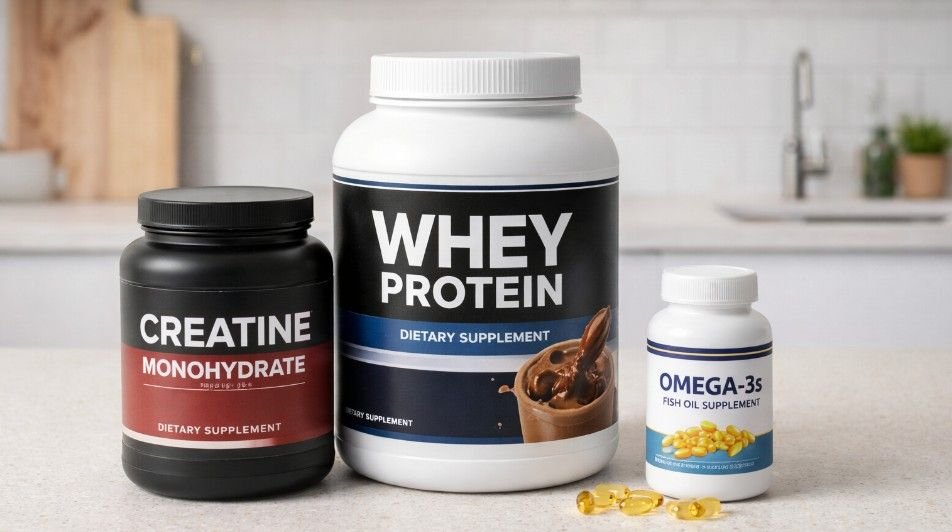
One of the most well-researched supplements for muscle building is creatine monohydrate. Creatine helps improve strength, endurance, and muscle mass by increasing your muscles’ ability to produce ATP (the energy currency of the body). 3–5 grams per day is the recommended dosage.
Whey Protein: The Quick Protein Fix
Whey protein is one of the best options for fast-digesting protein, especially after a workout. It quickly reaches your muscles to kickstart the recovery process. It’s convenient and easy to consume, and it provides your muscles with a rich source of amino acids.
Omega-3s: Reducing Inflammation
Omega-3 fatty acids, found in fatty fish or supplements, are known for their ability to reduce inflammation and promote muscle recovery. They can help speed up recovery after workouts, reduce soreness, and improve overall joint health.
Frequently Asked Questions
1. How much protein should I eat for muscle building?
For optimal muscle growth, aim for 1.4–2.2 grams of protein per kilogram of body weight daily. This ensures your muscles get the necessary building blocks for repair and growth.
2. Can I build muscle without supplements?
Yes, you can build muscle without supplements. While supplements like creatine and whey protein can be helpful, they’re not necessary if you’re eating a well-balanced diet that includes plenty of whole foods like lean meats, vegetables, and whole grains.
3. When should I eat after working out for the best muscle growth?
Ideally, you should eat a protein- and carb-rich meal within 30–120 minutes of your workout. This will kickstart the recovery process and help your muscles rebuild stronger.
4. What types of fats are good for muscle building?
Healthy fats like those found in avocados, nuts, seeds, and olive oil are great for muscle building. These fats help regulate hormones like testosterone, which is crucial for muscle growth.
Nutrition Is the Secret to Building Muscle
Now you know—building muscle isn’t just about lifting heavy weights; it’s about feeding your body the right fuel. By mastering your macronutrients, timing your meals correctly, and staying hydrated, you’ll give your muscles everything they need to grow strong and resilient.
Remember, muscle building is a 24/7 process, and with the right nutrition plan in place, those gains are just around the corner. So, get in the kitchen, fuel up, and let your body do the rest!