

If you’re wondering when baby teeth fall out, you’re not alone. Almost every parent worries the first time they see a loose tooth—or notices their child is not losing any teeth while classmates already are.
I’ve worked with parenting health content for years, and this is one of the most common questions parents ask. In this guide, I’ll walk you through the exact timeline, what’s normal, what’s not, and when you should actually take action.
By the end, you’ll feel confident knowing what to expect—and when not to panic.
Key Takeaways
- Most children start losing baby teeth between ages 6 and 7
- Baby teeth usually fall out in the same order they appeared
- Early or late tooth loss is often normal
- Pain, bleeding, or delays beyond age 8 may need a dentist check
When Do Baby Teeth Usually Fall Out?
Most children begin to lose their baby teeth between 6 and 7 years old. The process continues gradually until around age 12 or 13.
Here’s the key thing many parents don’t realize: There’s a wide range of normal. Some kids lose their first tooth at 5. Others closer to 8. Both can be perfectly healthy.
Baby Teeth Falling Out Age Chart
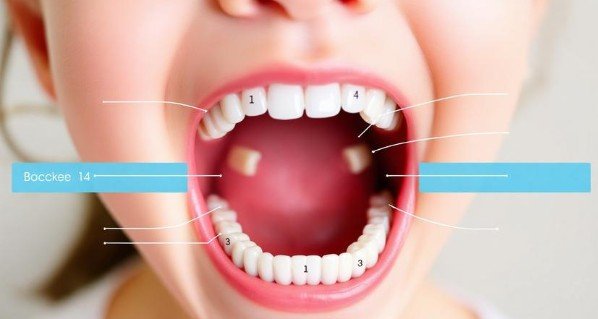
Typical Timeline
- 6–7 years: Lower front teeth (central incisors)
- 7–8 years: Upper front teeth
- 9–10 years: Canines and first molars
- 10–12 years: Second molars
Most children lose all 20 baby teeth by age 12.
Which Baby Teeth Fall Out First?
Baby teeth usually fall out in the same order they came in.
Common First Teeth to Fall Out
- Lower central incisors
- Upper central incisors
These teeth loosen because permanent teeth slowly push upward from below.
Why Baby Teeth Fall Out in the First Place
Baby teeth fall out to make room for permanent teeth. As adult teeth grow underneath, they push against the roots of the baby teeth, causing them to dissolve. Once the roots disappear, the baby tooth becomes loose and falls out naturally.
This process is usually painless for most children, although mild soreness can occur as the new tooth emerges. Typically, baby teeth start to fall out around age 6 and continue until around age 12. This natural shedding helps guide the adult teeth into proper alignment, ensuring a healthy permanent smile.
Is It Normal If Baby Teeth Fall Out Early?
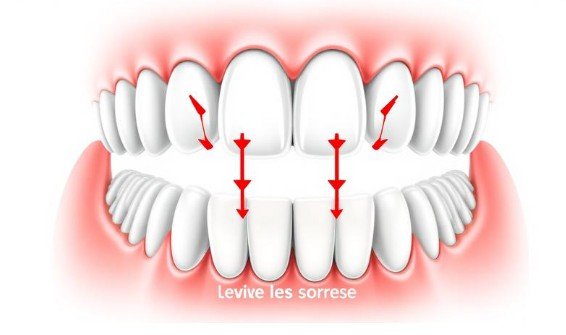
Yes—sometimes.
Early tooth loss can happen due to:
- Genetics
- Minor accidents
- Early eruption of permanent teeth
However, losing baby teeth before age 4 should always be checked by a dentist.
According to the American Dental Association, premature tooth loss may affect spacing and alignment later on.
Is It Normal If Baby Teeth Fall Out Late?
Absolutely. Some children don’t lose their first tooth until age 8, and that can still be normal.
You should consider a dental visit if:
- No loose teeth by age 8
- Adult teeth growing behind baby teeth
- Pain or swelling
The Centers for Disease Control and Prevention notes that dental development varies significantly between children.
What Parents Should Do When a Baby Tooth Is Loose
Here’s what I recommend based on dental best practices:
- Let the tooth fall out naturally
- Encourage gentle wiggling only
- Maintain brushing and flossing
- Use cold foods for soreness
Avoid pulling the tooth unless a dentist advises it.
When Should You See a Dentist?

You should book a dental appointment if:
- Tooth loss happens before age 4
- Baby teeth don’t loosen by age 8
- There’s ongoing pain or infection
- Adult teeth erupt behind baby teeth
A pediatric dentist can quickly assess whether intervention is needed.
How to Care for Gaps After Baby Teeth Fall Out
When a baby tooth falls out, it’s important to care for the gap left behind to ensure healthy gums and smooth growth for the permanent tooth. Here’s how to manage the area:
Keep the Area Clean
Gently rinse the area with warm water to remove any debris or food particles. Make sure your child brushes their teeth carefully, avoiding the gap to prevent irritation or infection.
Rinse Gently with Water
Encourage your child to rinse their mouth with water after eating or drinking to keep the area clean. This helps avoid bacteria buildup in the empty space.
Avoid Hard Foods for a Day
After a tooth falls out, avoid giving your child hard, crunchy, or sticky foods that could irritate the gums or cause discomfort. Soft foods like applesauce or yogurt are gentler on the area and help prevent any unnecessary pain.
Monitor for Soreness or Infection
While mild soreness is normal, if the area becomes red, swollen, or painful beyond a few days, it’s a good idea to consult a dentist to ensure there’s no infection or other issue.
Encourage Healthy Habits
Keeping gums healthy is essential for the proper growth of permanent dentition. Ensure your child maintains good oral hygiene, including brushing twice a day and flossing regularly once the gap starts to close.
By following these simple steps, you can help your child’s gums heal properly, creating the best environment for the permanent tooth to grow in the correct position.
Frequently Asked Questions
1.When do baby teeth fall out on average?
Most baby’s first tooth are lost between ages 6 and 7.
2.What age do kids lose all their baby teeth?
Usually by age 12 or 13.
3.Which baby teeth fall out last?
Second molars are typically the last to go.
4.Is bleeding normal when a baby tooth falls out?
Light bleeding is normal and should stop quickly.
5.Should I pull out a loose baby tooth?
No. Let it fall out naturally unless a dentist recommends removal.
When Do Baby Teeth Fall Out: What Parents Should Remember
Understanding when do baby teeth fall out can ease a lot of unnecessary worry. Every child follows their own timeline, and small variations are completely normal.
By knowing the typical order, warning signs, and when to seek help, you can support your child confidently through this milestone.
If you’re ever unsure, a quick dental visit can provide peace of mind—and that’s always worth it.